






Russia Regulates Crypto Markets to Fuel Global Trade
We may earn commissions from affiliate links or include sponsored content, clearly labeled as such. These partnerships do not influence our editorial independence or the accuracy of our reporting. By continuing to use the site you agree to our terms and conditions and privacy policy.

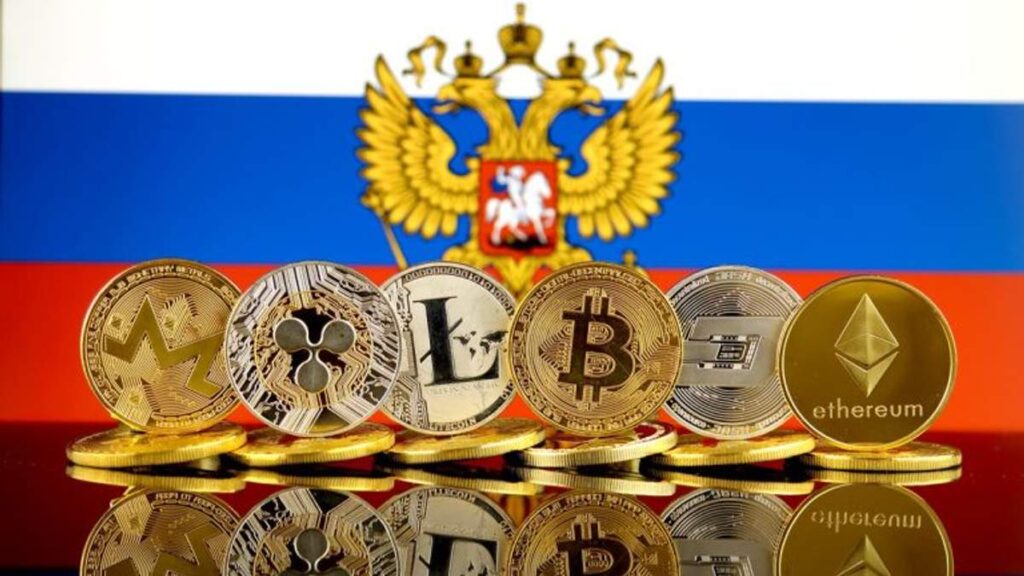
Russia's new law regulates crypto exchanges and brokers for international trade while maintaining a domestic payment ban for digital assets.
New regulations now govern the operations of crypto exchanges, digital custodians, brokers, and other licensed operators in Russia, while simultaneously upholding the ban on using cryptocurrencies as a means of payment within the country.
The law, introduced by the Russian government, forms part of Moscow’s broader strategy to build a regulated digital asset market. This initiative aims to support international trade and investment without diminishing control over the domestic financial system.
Licensing Crypto Exchanges and New Market Rules
According to information from TASS, the new legislation defines the rules for organizing trade, storage, and reporting of cryptocurrencies, as well as the issuance and circulation of digital financial rights. It further regulates the activities of information system operators, crypto exchanges, digital custodians, brokers, management companies, market makers, and clearing organizations.
Only companies listed in a specific state register will be permitted to provide cryptocurrency exchange services. However, organizations can temporarily operate without registration until July 1, 2027, providing a transition period to adapt to these new requirements.
The law defines crypto exchange as the systematic execution of purchase and sale transactions of digital assets in one’s own name and for one’s own account outside of organized markets.
Payment Restrictions vs. International Trade Opportunities
While Russia is establishing a clearer regulatory framework, the law maintains the prohibition on using cryptocurrencies and digital rights to pay for goods and services on the domestic market. Advertising or promoting the possibility of paying with crypto assets is also forbidden.
Several key exceptions have been made, however. The use of cryptocurrencies will be permitted for international trade deals between Russian and foreign companies, for utilizing mined crypto assets, for paying fees within relevant information systems, and for transactions involving securities, other digital currencies, and digital rights.
This measure reflects Moscow’s drive to utilize crypto assets as a tool for international settlements amid restricted access to Western financial infrastructure.
A New Regime for Investors
The law introduces distinct regimes for professional and non-professional investors.
Investors without professional status will only be able to purchase the most liquid cryptocurrencies through licensed intermediaries, with an annual limit of 300,000 rubles (€3,356) per intermediary. Qualified investors will not face such restrictions and can freely invest in all crypto assets.
Both categories of investors must pass a special test, though the law allows for the acquisition of qualified investor status based on proven practical experience with crypto transactions.
New Powers for Banks
The new rules mandate that credit institutions must refuse transfers when they have grounds to believe an organization is conducting unregulated crypto exchange activities.
At the same time, the law guarantees judicial protection for crypto asset holders, regardless of whether the assets were previously declared. This marks a significant shift from the previous regime.
Most provisions will take effect on September 1, 2026. This regulatory framework positions Russia among the nations seeking to integrate cryptocurrencies into the existing financial system through strict oversight rather than an outright ban.


 Commentaries










Fill in necessary fields and publish