


Belarus Moves to Harness Crypto While Tightening Regulatory Control
We may earn commissions from affiliate links or include sponsored content, clearly labeled as such. These partnerships do not influence our editorial independence or the accuracy of our reporting. By continuing to use the site you agree to our terms and conditions and privacy policy.

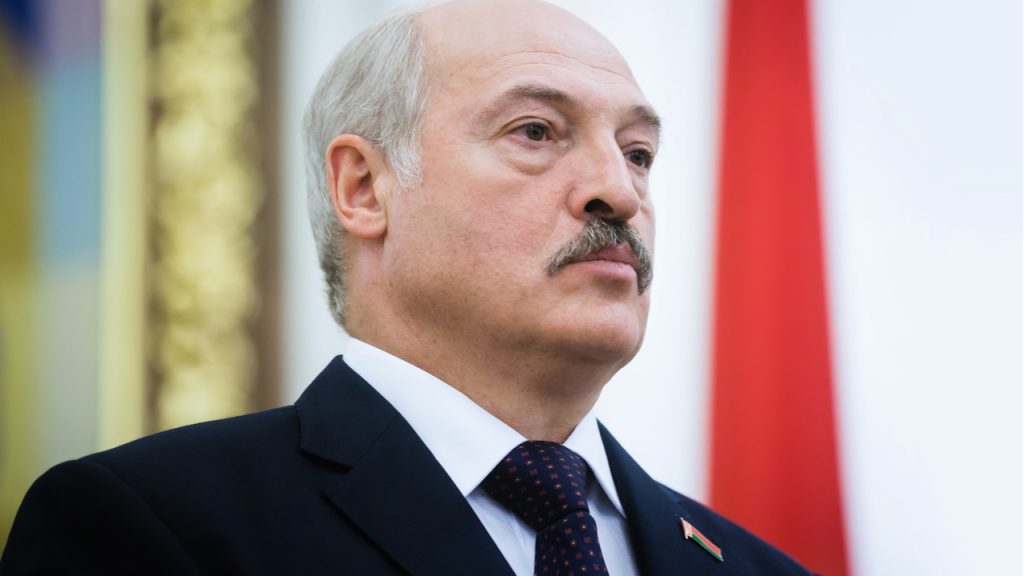
Belarus has taken a decisive step toward formalizing digital asset activity by introducing a legal structure for crypto-focused banks, embedding them directly into the country’s regulated financial system.
The move reflects a broader strategy: allowing crypto innovation, but only within clearly defined and tightly supervised boundaries.
A new presidential decree signed this week establishes the rules under which so-called “cryptobanks” can operate. Instead of treating crypto as a separate or experimental sector, the framework folds token-based services into the existing banking and regulatory architecture, placing them firmly under government oversight.
A regulated bridge between crypto and traditional banking
Under the new rules, cryptobanks will function as joint-stock companies permitted to combine conventional banking services with digital asset operations. This includes payments and other financial activities linked to tokens, but only through licensed entities operating inside the established financial system.
Participation is intentionally restricted. Any institution seeking cryptobank status must become a resident of Belarus’s Hi-Tech Park, a state-backed technology zone that already plays a central role in overseeing digital industries. In addition, cryptobanks must be registered with the country’s central bank, creating a formal record of approved participants.
Rather than opening the door to a free-market crypto boom, the framework channels digital asset activity through existing oversight mechanisms. This ensures that innovation happens within parameters defined by regulators, not outside them.
Dual oversight defines the model
One of the most distinctive aspects of the decree is its layered supervisory structure. Cryptobanks will be regulated both as non-bank financial institutions and as residents of the Hi-Tech Park, meaning they must comply with financial regulations while also adhering to directives issued by the park’s supervisory board.
According to officials, this dual approach is designed to balance innovation with control. The government argues that blending traditional banking supervision with technological oversight will allow new financial products to emerge while maintaining stability and compliance.
In practical terms, crypto services in Belarus will be delivered only by institutions that are already deeply embedded in the state-regulated financial ecosystem.
Part of a longer, controlled strategy
The cryptobank framework did not emerge overnight. It builds on a series of policy signals sent throughout 2025, when President Alexander Lukashenko repeatedly called for clearer rules governing digital assets. While encouraging innovation, he consistently emphasized the need for strong state control.
Those messages intensified as Belarus faced ongoing economic pressure from international sanctions. Officials openly acknowledged that digital tokens and crypto-based payments were becoming increasingly relevant for cross-border transactions, prompting calls for domestic banks to adapt.
At the same time, authorities moved to shut down unregulated crypto activity. Late last year, access to several major foreign exchanges was blocked, signaling a firm stance against what regulators described as a growing gray market.
Innovation within boundaries
Taken together, the new decree reinforces Belarus’s long-standing approach to crypto: openness paired with restriction. Digital assets are permitted, but only through channels approved and monitored by the state.
By legalizing cryptobanks under strict conditions, Belarus is attempting to position itself as a controlled financial technology hub rather than a permissive crypto haven. The message is clear – crypto is welcome, but only on the government’s terms.
Looking for more ideas? Read our full guide to the best meme coins to invest in this year.


 Commentaries







Fill in necessary fields and publish