


Fed Unveils New Crypto and Securities Framework at Wyoming Symposium
We may earn commissions from affiliate links or include sponsored content, clearly labeled as such. These partnerships do not influence our editorial independence or the accuracy of our reporting. By continuing to use the site you agree to our terms and conditions and privacy policy.

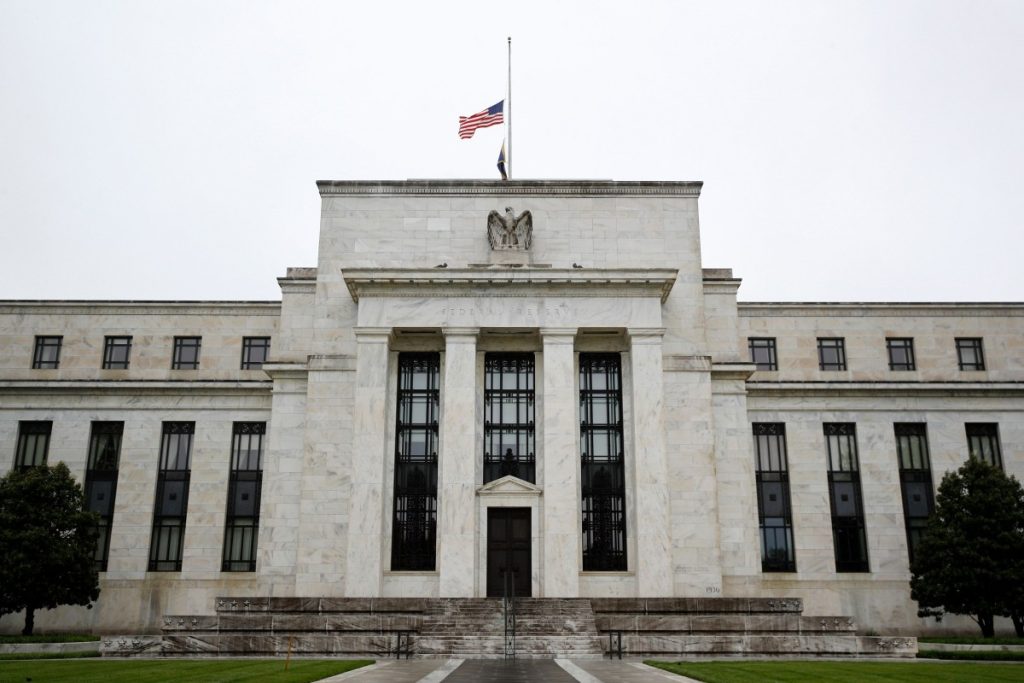
Federal Reserve Vice Chair for Supervision Michelle Bowman acknowledged that crypto firms have faced debanking pressures due to regulatory uncertainty and announced a major policy shift aimed at supporting blockchain innovation.
Speaking at the Wyoming Blockchain Symposium on August 19, Bowman said the Fed had eliminated “reputational risk” considerations from bank supervision in June, removing a key barrier that discouraged financial institutions from working with lawful digital asset companies.
Bowman criticized the “unclear standards, conflicting guidance, and inconsistent interpretations” that previously caused frictions between regulators and banks serving crypto clients. She stressed that customer decisions should remain under the purview of bank management, not supervisory agencies.
Her remarks highlighted the Fed’s transition from an overly cautious stance to a framework designed to embrace digital assets. She warned that regulators must either adapt to technological progress or risk seeing innovation bypass traditional banking, weakening its role in the economy.
Bowman introduced a four-principle framework for digital asset regulation. First, regulatory certainty to provide clarity for investors and developers. Second, tailored supervision, evaluating blockchain use cases based on their specific risks instead of blanket restrictions. Third, consumer protection, ensuring compliance with existing laws while upholding safety and soundness standards. Fourth, competitiveness, which Bowman said is essential for preserving U.S. leadership in global fintech.

The Fed also plans to reintegrate its “novel supervision” program into normal Reserve Bank oversight and may allow staff to hold small amounts of digital assets for practical understanding. Bowman concluded that the U.S. must build regulatory structures that balance innovation with stability to maintain its financial edge.


 Commentaries









Fill in necessary fields and publish