


Crypto Advocates Slam BIS Over ‘Isolation Strategy’ for Digital Finance
We may earn commissions from affiliate links or include sponsored content, clearly labeled as such. These partnerships do not influence our editorial independence or the accuracy of our reporting. By continuing to use the site you agree to our terms and conditions and privacy policy.

A sharp divide is emerging between global banking authorities and crypto industry leaders over the future of digital finance.
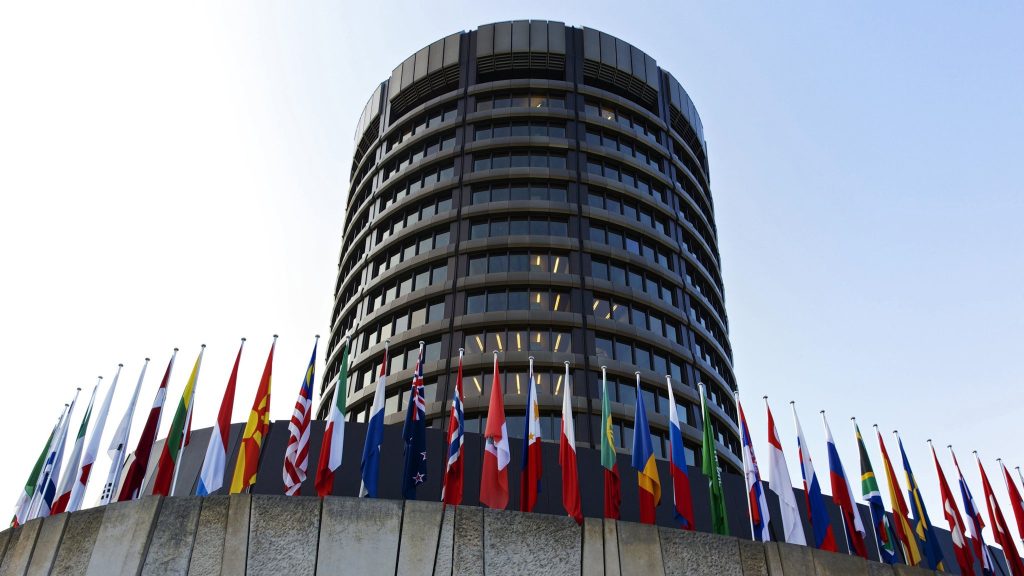
The Bank for International Settlements (BIS) recently released a report calling for stricter boundaries between the crypto sector and traditional financial systems, sparking strong criticism from within the crypto space.
Christopher Perkins, president of CoinFund, was quick to condemn the BIS proposal, calling it misguided and risky. In a post on April 19, he accused the institution of pushing a strategy rooted in “fear, arrogance, or ignorance,” warning that efforts to quarantine crypto could actually destabilize global markets.
The BIS report, published April 15, argues that the rapid growth of cryptocurrencies and decentralized finance (DeFi) poses potential threats to financial stability and investor protection. The suggested response: keep crypto markets isolated from conventional banking infrastructure.
But Perkins believes this containment mindset ignores the nature of crypto entirely. He described digital assets as a borderless financial system operating 24/7—unlike traditional markets that shut down after hours. “Trying to wall off crypto doesn’t reduce risk,” he said. “It amplifies it by disconnecting real-time liquidity from legacy finance.”
Perkins also pushed back on the report’s concerns over developer anonymity in DeFi, arguing that traditional finance rarely discloses technical contributors either. In his view, DeFi offers more transparency than private financial institutions that operate largely out of public view.
Stablecoins came under fire in the BIS report as well, with regulators warning they could destabilize vulnerable economies. Perkins countered that in countries facing inflation or monetary collapse, access to USD-backed stablecoins may provide real value. “If it improves lives in developing regions, how is that a bad thing?” he asked.
As the crypto industry grows and global regulators struggle to keep pace, the rift over how to manage digital assets is becoming harder to ignore. Whether crypto remains a parallel system—or is allowed to fully integrate—may depend on how these opposing visions play out in the years ahead.


 Commentaries










Fill in necessary fields and publish