


Crypto Scams Are Evolving – Here’s How to Protect Yourself
We may earn commissions from affiliate links or include sponsored content, clearly labeled as such. These partnerships do not influence our editorial independence or the accuracy of our reporting. By continuing to use the site you agree to our terms and conditions and privacy policy.

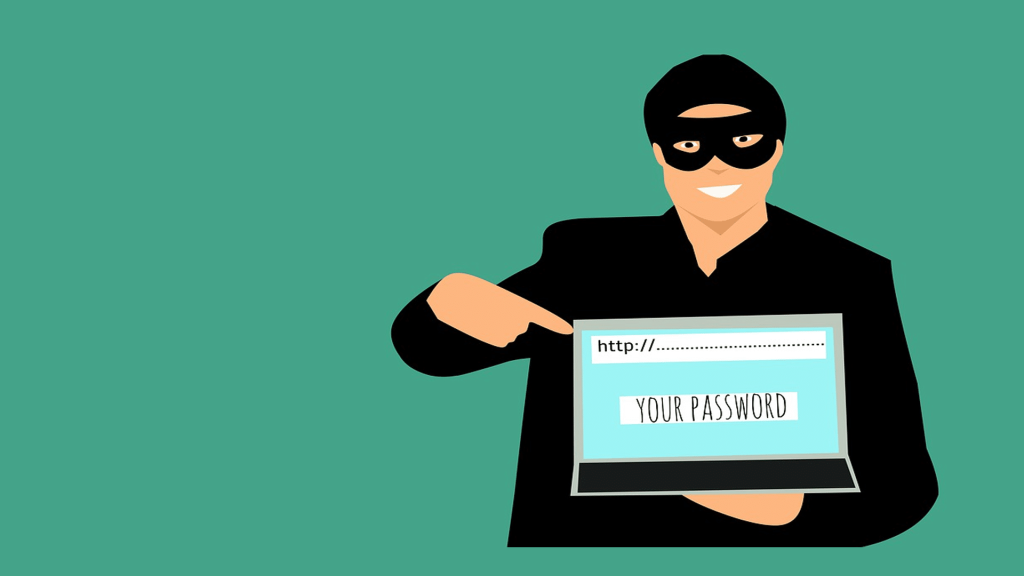
Fraudsters often initiate contact with casual messages, hoping to lure unsuspecting victims into financial traps involving digital assets.
While crypto-related fraud only accounts for a fraction of financial crime reports, the FBI highlights that it’s responsible for half of all monetary losses, totaling $5.6 billion in 2023. With digital assets gaining more attention under new policies, experts warn that fraudulent schemes will likely escalate.
Why Crypto Scams Work
Scammers thrive on new technology and hype, exploiting people’s lack of understanding, explains John Griffin, a finance professor at the University of Texas. The excitement around crypto creates a prime environment for deception.

Although blockchain offers security and transparency, it doesn’t guarantee protection from fraud. Charles Guillemet, CTO of Ledger, notes that while transactions are traceable, victims often have no way to recover lost funds from scams, misplaced transfers, or collapsed exchanges. However, law enforcement can sometimes intervene when stolen assets reach regulated platforms.
Staying Safe in the Crypto Space
Investment fraud remains the most common type of crypto scam. To avoid falling victim, be wary of unsolicited messages, research platforms before investing, and use secure storage solutions. As the crypto industry grows, so do its risks—making education and caution more important than ever.
Read More:
Key Tips to Protect Yourself
- Verify Sources – Unsolicited investment offers via social media, texts, or dating apps are likely scams. Double-check links and avoid suspicious messages.
- Ignore “Guaranteed” Profits – Risk-free or high-return promises are red flags. Stick to reputable exchanges and avoid too-good-to-be-true offers.
- Be Wary of Social Media Advice – Influencers may push investments for personal gain. Always research before putting money into a project.
- Stay Educated – Scams target both young investors and older adults. Learning about blockchain and crypto security is the best defense.


 Commentaries










Fill in necessary fields and publish