


Trump Accepts Stricter Ethics in CLARITY Act Push
We may earn commissions from affiliate links or include sponsored content, clearly labeled as such. These partnerships do not influence our editorial independence or the accuracy of our reporting. By continuing to use the site you agree to our terms and conditions and privacy policy.

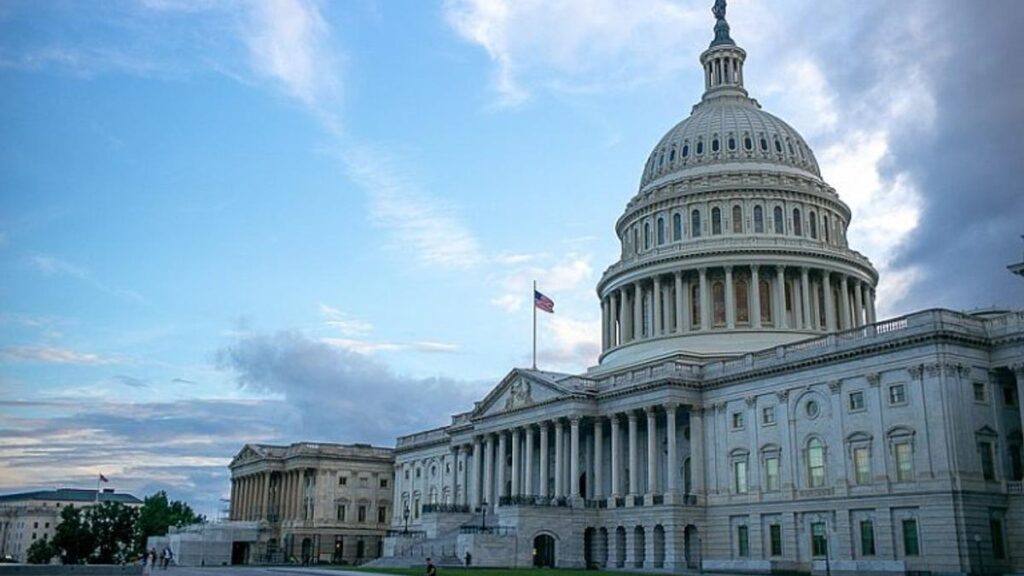
Trump accepts 80% of a bipartisan ethics package as the CLARITY Act faces a critical 60-vote Senate hurdle. New rules target stablecoins and DeFi developers.
Recent amendments represent a final effort to attract enough Democrats to ensure the bill can clear the 60-vote threshold in the Senate.
Trump Accepts Stricter Ethical Rules
The most significant change appears in the conflict-of-interest section, which had remained one of the primary obstacles to bipartisan support until the very end.
According to Senator Cynthia Lummis, the new text reflects “essentially nearly all” of the proposal put forward by Senators Thom Tillis and Ruben Gallego. This framework imposes restrictions on the crypto interests of federal elected officials, judges, and their spouses, including requirements to divest from certain significant positions or place assets into a blind trust.
Trump has reportedly accepted approximately 80% of the stricter bipartisan package. One of the most vital concessions involves the role of state attorneys general, who will now have the authority to participate in enforcing ethical rules, rather than leaving control concentrated solely within the federal Department of Justice.
This marks a substantial shift from previous positions held by the White House and some Republicans, who had originally opposed granting broader powers to the states.
Stablecoins Receive a New “Safety Valve”
The second major revision addresses the concerns raised by American banks.
The final text grants the Treasury Secretary new powers to intervene if payment stablecoins begin to trigger significant deposit outflows from the traditional banking system. Republican authors describe this mechanism as a “circuit breaker” designed to protect smaller and regional banks.
The risk of consumers shifting deposits toward high-yield digital dollars was a central argument used by the banking sector against the legislation.
Organizations like the Independent Community Bankers of America have warned that such shifts could reduce the funds local banks use to provide loans to households and small businesses.
The new provision attempts to mitigate this risk without dismantling the broader framework for stablecoins.
Additional Protections for DeFi Developers
The final version also modifies the “Blockchain Regulatory Certainty Act,” shielding specific software developers from being required to register as money transmitters.
The goal is to ensure that code and decentralized software development are not automatically treated as providing a financial service, provided the developer does not control user funds or transactions. The text also includes a civil “safe harbor” for certain activities.
In the portion drafted by the Agriculture Committee, new rules regarding insider trading, conflicts of interest, and the application of state consumer protection laws have been added, all while maintaining the CFTC’s existing jurisdiction over derivatives.
126 Changes Do Not Guarantee 60 Votes
Senator Lummis, Senate Agriculture Committee Chairman John Boozman, and Banking Committee Chairman Tim Scott are presenting the text as the ultimate compromise following more than a year of negotiations.
According to the official announcement, the draft includes 126 substantive changes made at the request of Democrats. If the Senate approves the document on Tuesday, the final text will be introduced as a substitute amendment to the bill.
However, the political math remains difficult. Moving forward procedurally requires 60 votes, meaning Republicans must win over at least several Democrats. Resistance persists due to ethics rules, anti-money laundering concerns, and the potential impact of stablecoins on banking deposits.
The stakes for the crypto industry are high. The CLARITY Act is intended to define when a digital asset is classified as a security or a commodity, allocate oversight among federal regulators, and establish a clearer framework for exchanges, DeFi, and other crypto firms.
Tuesday’s vote will determine if these latest concessions are enough. After months of talks, the debate is no longer just about the technical design of crypto regulation, but whether Trump, Democrats, and the banking sector have compromised enough to allow the law to reach a final vote.


 Commentaries







Fill in necessary fields and publish