


SEC Reg Crypto: New Framework for Digital Asset Contracts
We may earn commissions from affiliate links or include sponsored content, clearly labeled as such. These partnerships do not influence our editorial independence or the accuracy of our reporting. By continuing to use the site you agree to our terms and conditions and privacy policy.

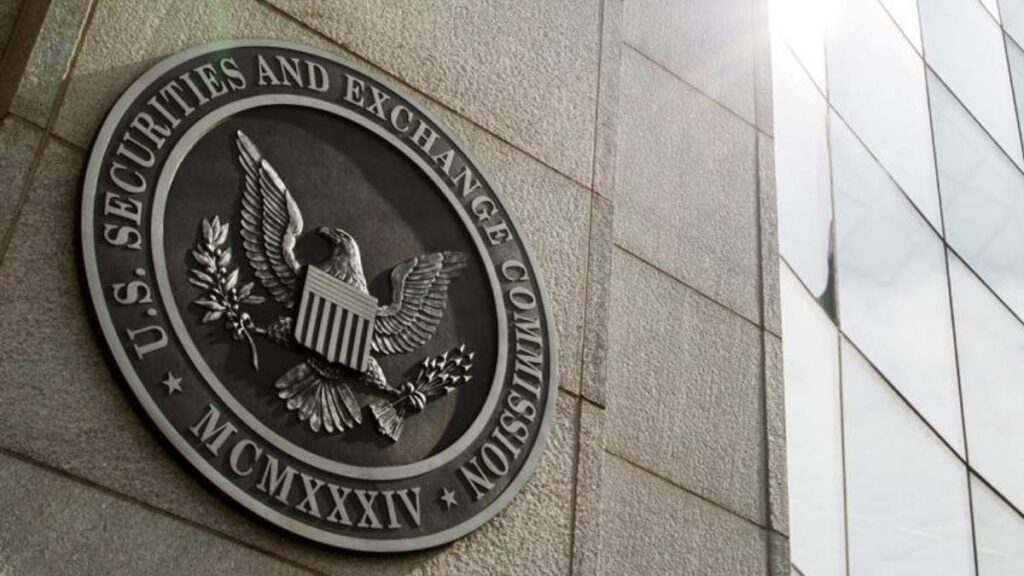
The SEC is moving toward formal 'Reg Crypto' rules, potentially shifting from enforcement-led regulation to a tailored regime for digital asset contracts.
The SEC describes the initiative as a specially tailored regime for certain investment contracts involving digital assets.
The Regulator Shifts from Temporary Guidance to Formal Rules
The upcoming meeting is significant not because “Reg Crypto” is already a final rule, but because it could mark the beginning of a formal rulemaking procedure. This signals a transition in how the agency approaches the sector.
If the commissioners approve the publication, the SEC will present the detailed text of the proposal and open a period for public comment. Companies, investors, law firms, and other stakeholders will have the opportunity to submit their positions before the regulator decides whether and in what form to adopt the final rules.
This represents a departure from the approach taken over much of the past decade. During that time, the crypto industry often had to rely on court decisions, individual administrative positions, and the application of existing laws through enforcement actions.
In March, the SEC and CFTC took a separate step by publishing a joint interpretation on applying federal securities laws to various types of crypto assets. SEC Chairman Paul Atkins and CFTC Chairman Michael Selig framed this activity within the broader “Project Crypto” initiative.
What Reg Crypto Aims to Resolve
The core issue is not whether every crypto asset is automatically a security. For years, the SEC has distinguished between the digital asset itself and the manner in which it is offered or sold.
The classic “Howey” test determines if there is an investment of money in a common enterprise with a reasonable expectation of profits derived from the efforts of others. The specific deal structure, marketing, and the role of the development team are what can transform a specific offering into an investment contract.
“Reg Crypto” is intended to provide a more practical answer to a follow-up question: If a token is offered as part of an investment contract, how can a project legally raise capital without necessarily undergoing the entire traditional registration regime designed for stocks and bonds?
The framework is expected to address several key areas:
- Conditions under which certain crypto offerings can utilize a special regime or exemption.
- What information issuers must provide to investors.
- How the asset is treated after the initial investment relationship concludes.
- When the ongoing efforts of developers or promoters remain significant enough to maintain SEC jurisdiction.
- This final point is particularly sensitive for the industry.
When Can a Token Exit the Securities Regime?
A long-standing debate in American crypto law is whether an asset initially sold via an investment contract must remain under the securities regime indefinitely.
The SEC has already signaled that it views the crypto asset as distinct from the contractual relationships surrounding it. The joint interpretation from March specifically aims to clarify when federal securities laws apply to a given structure.
“Reg Crypto” could transform this logic into a more permanent framework for capital raising. This would be vital for projects where a central team initially funds network development through token sales but eventually sees its managerial role diminish.
If the rules define clear criteria for this transition, legal risks for secondary trading could become more predictable. However, this does not mean a token automatically stops being a security after a set time; the specific criteria in the proposal will be decisive.
Why the Regime Could Change How Projects Raise Capital
Traditional registration under the Securities Act involves significant costs, reporting, and requirements primarily created for classic corporate securities.
Blockchain projects often have different structures. A token might be used simultaneously for network access, fee payments, or governance participation, even while the initial sale funds development.
A specialized regime could maintain investor protection requirements without automatically treating every such offering identically to a traditional IPO. This is where the economic stakes lie; a clearer regime could bring primary crypto offerings back to the U.S. market if companies have a predictable way to structure their financing.
However, any exemptions will only matter if they are accompanied by clear disclosure requirements, resale restrictions, and issuer liability.
Congress Leaves a Regulatory Gap the SEC Seeks to Fill
This initiative arrives while the broader legislative framework for the crypto market remains unfinished. The CLARITY Act passed the House of Representatives in 2025 but currently remains under consideration in the Senate. The bill aims for a clearer division of responsibilities between the SEC and CFTC and broader regulation of market infrastructure.
In the absence of a final law, the SEC continues to build its own framework through “Project Crypto,” official interpretations, and proposed new rules.
However, this approach has limits. The agency can change how it applies the Securities Act and Exchange Act, but it cannot unilaterally rewrite the division of powers that Congress must establish between different federal regulators.
Following the August 14 meeting, the most critical element will be the actual text of “Reg Crypto.” It will reveal which offerings qualify for the special regime, what disclosures are required, and whether the SEC will propose a specific mechanism for transitioning from an investment contract to a crypto asset no longer tied to the initial issuer’s managerial efforts.


 Commentaries










Fill in necessary fields and publish