


BRICS CBDC Integration: A New Challenge to Dollar Dominance
We may earn commissions from affiliate links or include sponsored content, clearly labeled as such. These partnerships do not influence our editorial independence or the accuracy of our reporting. By continuing to use the site you agree to our terms and conditions and privacy policy.

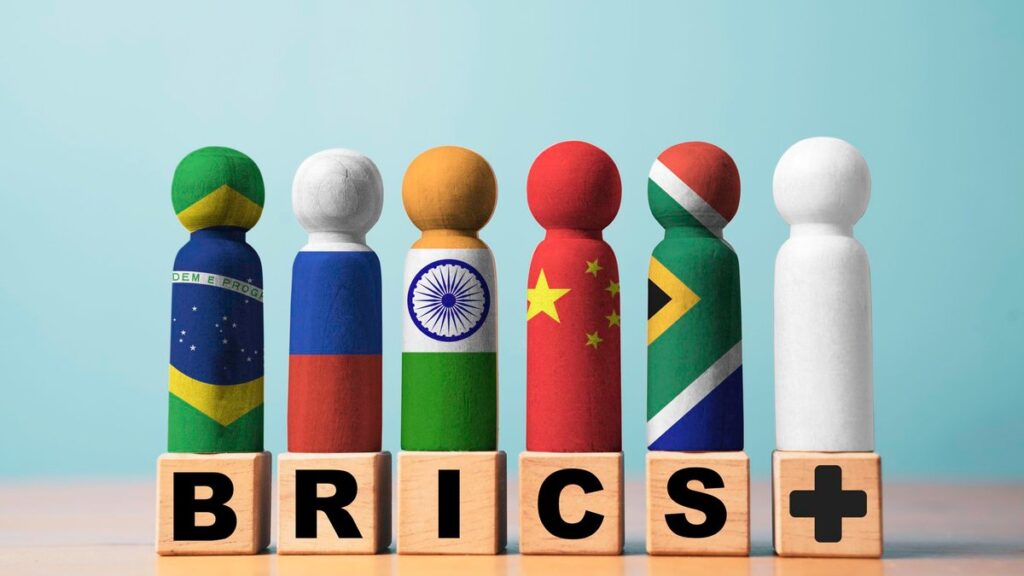
Six BRICS nations are developing CBDCs to bypass the US dollar. Explore how BRICS Bridge and UPI-Pix links aim to reshape global cross-border payments.
The technical foundation for a massive shift in global finance is steadily taking shape. Six of the 11 BRICS members—China, India, Russia, Brazil, the United Arab Emirates, and Iran—already have a Central Bank Digital Currency (CBDC) in various stages, ranging from pilot programs to full operational use.
However, this does not mean their digital currencies are automatically compatible. Each nation currently operates on its own unique infrastructure, governed by specific access rules, identification standards, and settlement protocols.
BRICS is now focused on bridging these gaps.
According to information from Reuters, one model under discussion is a unified platform often referred to as the “BRICS Bridge.” This system would allow banks to exchange CBDCs directly for cross-border transactions.
Instead of routing payments through multiple correspondent banks and an intermediary currency, two parties could settle trades directly through linked national digital systems.
How CBDCs Could Reduce Dollar Dependency
The potential impact on the US dollar stems from the structural redesign of international payments rather than the creation of a new common currency for the bloc.
In current international trade, two companies using different national currencies often rely on the dollar as a liquid intermediary. This necessity adds layers of currency conversion, involves multiple middlemen, and increases overall settlement costs.
A linked CBDC infrastructure could streamline this entire process.
For instance, a commercial bank in one country could pay a bank in another through direct conversion and settlement between their respective national currencies. The central bank digital money would serve as the settlement asset, while the shared infrastructure connects the disparate systems.
This approach differs significantly from creating a “BRICS currency,” as each nation retains its own money and independent monetary policy.
BRICS Bridge Follows a Proven Model
The concept shares similarities with mBridge, a project initially developed by central banks and monetary authorities from China, Hong Kong, Thailand, and the UAE, alongside the Bank for International Settlements (BIS).
mBridge has already demonstrated that multiple jurisdictions can successfully use a shared infrastructure for direct cross-border payments using central bank digital money.
For BRICS, this model is particularly attractive as several members actively seek alternatives to existing international payment infrastructures.
Russia and Iran have additional incentives to adopt these systems due to restrictions on their access to the Western financial system. Meanwhile, China possesses the most advanced CBDC infrastructure among major economies via the digital yuan.
UPI and Pix Could Add a Second Layer
CBDCs represent only one part of the initiative. BRICS is also exploring ways to link existing national instant payment systems.
India operates UPI, Brazil has Pix, and China maintains its own highly developed payment infrastructure.
The role of “BRICS Pay” in this context would differ from the CBDC system. While the “BRICS Bridge” targets bank settlements and large-scale cross-border operations, linking fast-payment systems could facilitate smaller trade operations, tourism, and business-to-consumer transactions.
Essentially, BRICS is developing a two-tier strategy: an infrastructure for large institutional settlements and a network connecting national payment systems for everyday transactions.
Technology is the Easiest Part of the Project
The most significant hurdle for a unified system likely won’t be the technical transfer of digital currencies.
The eleven member states operate under different capital regimes, anti-money laundering regulations, currency restrictions, and financial identification standards.
Furthermore, Russia and Iran are under international sanctions, which complicates the participation of banks with global operations.
Critical questions remain regarding who will manage the shared infrastructure, how exchange rates will be determined, and how disputes between participants from different jurisdictions will be resolved.
Consequently, linking CBDCs does not guarantee a rapid displacement of the dollar in international trade. A more realistic initial outcome is the expansion of bilateral and regional deals conducted in local currencies.
If BRICS succeeds in turning these individual national systems into an interoperable network, the bloc will possess a payment infrastructure that allows companies to bypass dollar settlements whenever trading partners prefer using their own currencies.


 Commentaries










Fill in necessary fields and publish