


EU Targets Crypto Platforms in Massive New Russia Sanctions
We may earn commissions from affiliate links or include sponsored content, clearly labeled as such. These partnerships do not influence our editorial independence or the accuracy of our reporting. By continuing to use the site you agree to our terms and conditions and privacy policy.

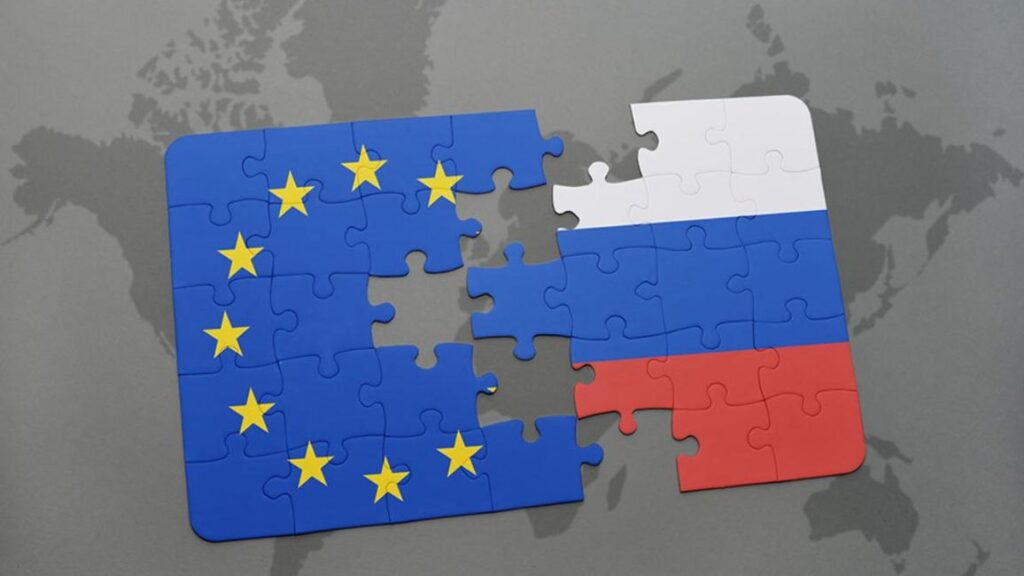
The EU's 21st sanctions package targets 14 crypto platforms and 94 financial institutions to block Russia’s access to the international financial system.
New measures include freezing the assets of dozens of Russian financial institutions and imposing sanctions on crypto platforms that Brussels believes facilitate Moscow’s access to the international financial system.
Brussels Tightens Control Over Russia’s Financial Channels
The new sanctions package expands restrictions against the Russian banking sector, targeting 94 banks and financial institutions, including the Moscow Exchange. Beyond asset freezes, European companies and citizens are now prohibited from providing funds or economic resources to these affected organizations.
In a parallel move, the EU has extended bans on financial transactions to an additional 33 Russian credit and financial institutions. This brings the total number of Russian banks under such restrictions to over 100.
According to Brussels, the objective is to limit Russia’s ability to utilize the international financial system to fund its economy and military operations.
Crypto Platforms Face New Pressure
One of the most significant shifts in this package is the expansion of sanctions into the cryptocurrency sector.
The EU has imposed restrictions on 14 crypto platforms and related entities, alleging they assisted in circumventing sanctions against Russia.
These targeted companies operate across various jurisdictions outside the European Union, including Georgia, Panama, the United Arab Emirates, the Marshall Islands, Kyrgyzstan, and Belarus.
The European Commission maintains that these platforms provided alternative financial channels, allowing Russian individuals and companies to bypass restrictions imposed by Western nations.
EU Gains New Weapon Against the Crypto Sector
For the first time, European legislation is introducing the possibility of a full sectoral ban on crypto services from third countries.
This new mechanism allows the EU to terminate all transactions with crypto-asset service providers in jurisdictions that systematically and persistently fail to take measures against using digital assets to evade European sanctions.
Previously, sanctions primarily targeted specific companies or individuals. The new framework allows restrictions to be scaled up to entire countries if Brussels determines that local authorities are not effectively countering such practices.
New Restrictions for Banks and Crypto Companies
Beyond crypto platforms, the EU has sanctioned several financial institutions in third countries believed to be supporting Russian payment systems.
These include a bank in Mongolia, a financial institution in Kyrgyzstan, and two Indian subsidiaries of Russian banks.
The package also tightens rules for Russian nationals, prohibiting them from owning, controlling, or participating in the governing bodies of companies offering crypto-asset services within the European Union.
Sanctions Extend Beyond the Financial Sector
In addition to financial measures, the new package includes further restrictions on the Russian energy sector and companies linked to the military-industrial complex.
Brussels has expanded sanctions against entities involved in drone production and other military equipment, as well as companies connected to the Russian oil trade.
With the adoption of this 21st package, the European Union signals that crypto assets are now a primary focus of its sanctions policy. These new powers grant Brussels significantly more freedom to restrict access to crypto services whenever it deems they are being used to bypass international sanctions against Russia.


 Commentaries










Fill in necessary fields and publish