






Deutsche Börse and Societe Generale Bring Regulated Stablecoins Into Europe’s Financial Core
We may earn commissions from affiliate links or include sponsored content, clearly labeled as such. These partnerships do not influence our editorial independence or the accuracy of our reporting. By continuing to use the site you agree to our terms and conditions and privacy policy.

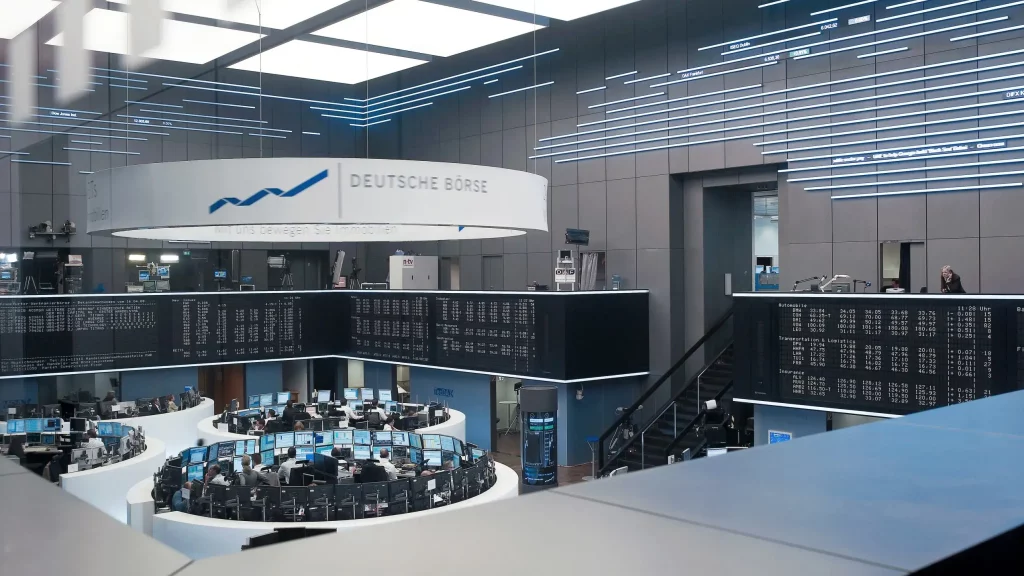
Europe’s largest market operator is preparing for a major shift in how traditional financial transactions settle, as Deutsche Börse moves to bring blockchain-based stablecoins directly into the heart of its infrastructure.
The exchange group has chosen SG-FORGE’s CoinVertible tokens – euro- and dollar-denominated and fully regulated under MiCA – as the first form of digital cash that institutions will be able to use across its systems.
Instead of beginning on a trading venue, the initiative starts deeper inside the plumbing of the financial system: Clearstream. Here, the stablecoins will be used to move funds instantly for securities settlement, collateral transfers, and internal treasury flows. In practice, this replaces processes that typically rely on slow banking rails or outdated messaging networks, and it offers a real demonstration of how tokenized money can streamline long-standing operational bottlenecks.
Deutsche Börse doesn’t plan to keep the tokens confined to back-end operations. After the first phase is stable, the stablecoins will be integrated into its digital marketplaces – such as 3DX and Crypto Finance – creating a full loop where institutional players can acquire, trade, and redeem MiCA-compliant digital cash inside the same regulated environment that handles their securities and crypto products.
Over time, the exchange expects these tokens to appear across additional layers of its ecosystem, helping build liquidity and normalizing the use of blockchain-settled money.
A major factor behind this move is regulatory clarity. SG-FORGE’s EURCV and USDCV are among the first MiCA-approved e-money tokens, meaning they must maintain strict reserve backing, operational transparency, and asset segregation. This gives institutions a level of comfort they can’t get from unregulated stablecoins like USDT, which cannot be used inside Europe’s formal settlement systems.
The broader takeaway is unmistakable: traditional finance is no longer testing tokenization in controlled pilots – it is actively weaving regulated digital money into critical market infrastructure. For policymakers, it shows that MiCA’s framework is succeeding in attracting real institutional usage. For global markets, it signals that the long-promised merger of blockchain rails and legacy financial systems is now happening in live environments, not just white papers.


 Commentaries








Fill in necessary fields and publish