


Bloodbath on Wall Street and Crypto: The Hidden Forces Behind the Collapse
We may earn commissions from affiliate links or include sponsored content, clearly labeled as such. These partnerships do not influence our editorial independence or the accuracy of our reporting. By continuing to use the site you agree to our terms and conditions and privacy policy.

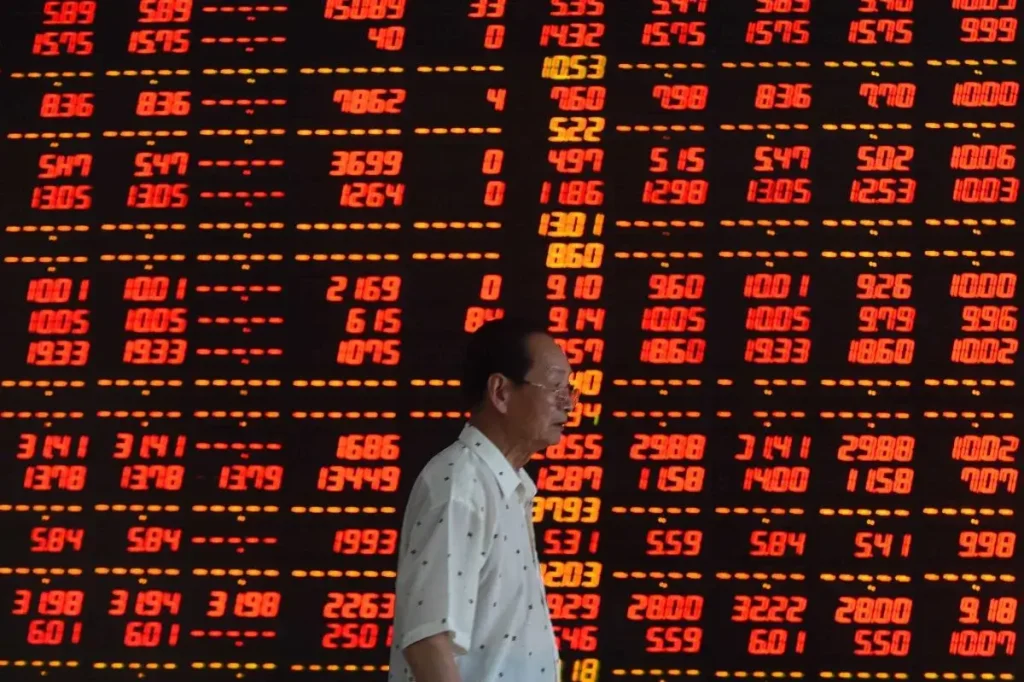
Global markets saw widespread losses this week as both equities and cryptocurrencies fell sharply, driven by a rapid shift in interest rate expectations, unwinding of crowded tech positions, and a broad pullback in risk appetite.
What initially appeared to be an abrupt washout is proving to be a multi-layered correction affecting nearly every major asset class.
A Sudden Reevaluation of Interest Rates
The sell-off began with a notable change in tone from the Federal Reserve. After months of traders pricing in a smooth path toward rate cuts, policymakers signaled a willingness to keep monetary conditions tight for longer. Recent comments emphasized caution around incoming data and discouraged expectations for near-term easing.
The adjustment sent real yields higher across the curve. For markets heavily dependent on long-term growth projections – such as technology stocks and digital assets – those rising yields translated almost immediately into falling valuations.

Tech and AI Leaders Lose Momentum
The pressure was most visible in the sector that carried the stock market for much of the year: mega-cap tech and AI. As traders questioned whether future revenue growth can justify elevated valuations, giants like Nvidia, Alphabet, and Tesla slid meaningfully.
Because the S&P 500 is weighted heavily toward these names, a retreat in just a handful of stocks dragged the entire index lower. Even sectors that remained stable or posted gains – such as healthcare and certain defensive industries – were unable to offset the weakness. By the end of the session, the S&P 500 had fallen roughly 1.8%.
Outflows and Liquidations Hit Crypto Markets
Crypto assets mirrored the risk-off sentiment. Over the past 24 hours, Bitcoin dropped nearly 6%, while Ethereum, Solana, XRP and BNB saw declines between 5% and 10%. Futures markets amplified the downturn: more than $1.1 billion in leveraged positions were liquidated, including over $500 million tied to Bitcoin alone.
The total crypto market capitalization fell from roughly $3.4 trillion to $3.2 trillion, reflecting the broad selling pressure.
Analysts attributed part of the decline to collapsing liquidity in thin order books, which made the cascade of liquidations more severe. With stablecoin yields now competing with Treasury rates, even crypto-native capital has turned more cautious.
Macro Headwinds Add to Market Stress
Beyond rates and tech revaluations, a mix of global headlines added further uncertainty. U.S. markets were rattled by concerns over fiscal negotiations and renewed fears of a government shutdown. Meanwhile, Europe faced its own pressures as upcoming UK budget forecasts sparked worries about higher taxes and constrained fiscal flexibility.
These dynamics weighed on global sentiment and contributed to cross-border outflows from U.S. equities – removing another layer of support from already fragile markets.
Read More:
A Broader Reset in Risk Appetite
For much of the year, both equities and crypto traded as extensions of the same macro story: falling inflation, looser policy ahead, and rapid growth in tech spending. With that narrative now challenged, investors are recalibrating.
Crypto, acting as a high-beta counterpart to growth stocks, has been particularly sensitive to the shift. As real yields climb and volatility picks up, multi-asset funds have started trimming exposure across the board. Even strong earnings in some sectors have not been enough to stabilize prices, as the bar for positive surprises remains unusually high.
What Comes Next
The path forward now depends less on any single data release and more on how quickly markets can adjust to a “higher-for-longer” policy stance. If rate-cut expectations continue to drift later into 2025, risk assets may face continued pressure. Conversely, stabilization in yields and renewed liquidity could help ease the sell-off.
For the moment, both stocks and crypto remain in lockstep – moving lower as investors unwind crowded positions, rebuild cash buffers, and reassess how much risk they want to carry into the end of the year.


 Commentaries










Fill in necessary fields and publish