


Ripple’s Stablecoin Climbs Past $1 Billion Amid Expanding Institutional Use
We may earn commissions from affiliate links or include sponsored content, clearly labeled as such. These partnerships do not influence our editorial independence or the accuracy of our reporting. By continuing to use the site you agree to our terms and conditions and privacy policy.

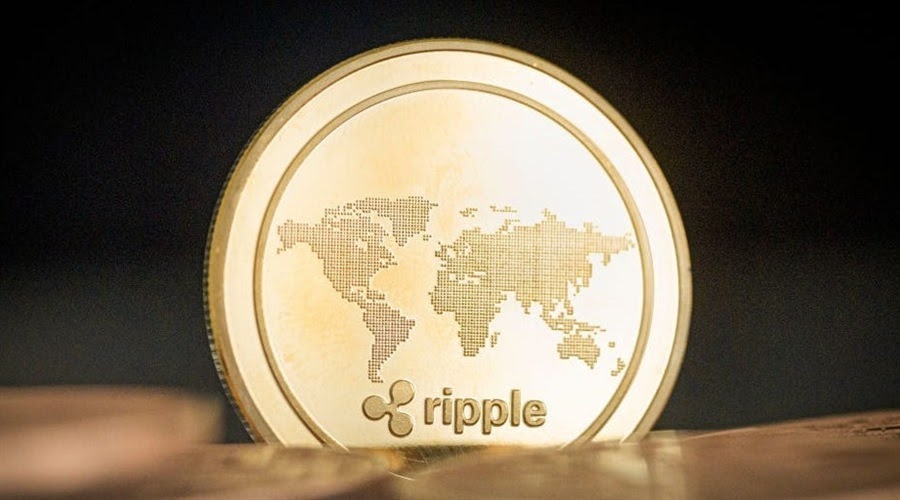
Ripple’s U.S. dollar–backed stablecoin, Ripple USD (RLUSD), has crossed the $1 billion market capitalization threshold - a milestone achieved in under a year since its debut in December 2024.
According to data from CoinGecko, RLUSD’s value climbed sharply from $900 million late last month, recording a 1,278% increase in market cap since the start of 2025. The surge highlights Ripple’s growing footprint in the stablecoin sector, which remains dominated by Tether’s USDT and Circle’s USDC, with respective market caps of $183 billion and $75 billion.
In an announcement on X, Ripple said that partnerships with Ripple Prime, GTreasury, and Rail will help drive faster and more compliant global settlements using both RLUSD and XRP, positioning the stablecoin as part of its broader cross-border payments ecosystem.
RLUSD: One Year, One Billion
→ $1B+ Market Cap
→ 1:1 USD-backed
→ The #1 trusted and transparent stablecoin for institutionsWith Ripple Prime, GTreasury, and Rail now joining the effort, $RLUSD and $XRP will drive faster, efficient and compliant settlement worldwide. This is… pic.twitter.com/DV1oS5TEY0
— Ripple (@Ripple) November 3, 2025
Though still well behind the industry’s largest issuers, RLUSD now ranks as the 10th biggest U.S. dollar stablecoin, with $174 million in daily trading volume – placing it close to PayPal USD (PYUSD) and MakerDAO’s DAI in liquidity and usage.

Initially designed for institutional clients, RLUSD has since gained adoption among retail users through integrations with Transak and popular self-custody wallets like Xaman. Data from RWA.xyz shows that about 80% of RLUSD’s supply circulates on Ethereum, while 20% runs on the XRP Ledger.
The milestone coincides with Ripple’s latest strategic move – expanding its over-the-counter (OTC) trading and digital asset brokerage services in the U.S., following its $1.25 billion acquisition of prime broker Hidden Road in October.
Ripple’s growing presence in stablecoin markets reflects a broader shift toward enterprise-grade digital assets – one that the company says will help “advance the future of finance.”


 Commentaries








Fill in necessary fields and publish