


Independent Reserve Review 2026: Pros & Cons Revealed
We may earn commissions from affiliate links or include sponsored content, clearly labeled as such. These partnerships do not influence our editorial independence or the accuracy of our reporting. By continuing to use the site you agree to our terms and conditions and privacy policy.



Independent Reserve is an Australian crypto exchange that also serves clients from New Zealand, Singapore, and most of Europe. The licensed platform suits both beginners and experienced traders, and key features include free fiat payments, leveraged markets, and a built-in wallet. Our Independent Reserve review explores the exchange in great detail.
The research team highlights the most important factors for crypto investors, including supported assets, account onboarding, payment methods and timeframes, trading fees, and mobile accessibility. We also outline how new Independent Reserve customers can claim AUD $20 in free Bitcoin (BTC).
Independent Reserve Review: Key Points
Our extensive exchange testing process shows that Independent Reserve is a safe and reputable platform with adequate licensing and strong security controls. It supports dozens of popular cryptocurrencies with instant order execution, and the online and mobile interface is user-friendly for first-time investors. Experienced traders use the advanced dashboard, which provides access to analysis tools and margin facilities with 5x leverage.
Since the exchange accepts convenient payment methods like Visa, MasterCard, PayPal, and local transfers, deposits and withdrawals are seamless. The maximum commission of 0.5% is marginally above the industry average, although users reduce those fees by trading higher volumes.
Key Exchange Data
| Feature | Details |
|---|---|
| Name | Independent Reserve |
| Native Token Name | None |
| Launched | 2013 |
| Supported Coins | 37 cryptocurrencies |
| Trading Fees | 0.2% to 0.5% depending on 30-day trading volumes |
| Main Features | Licensed framework, free fiat deposits, 5x leverage, dollar-cost averaging tools, custodial storage |
| Staking/Yield | Not available |
| Security | Segregated funds in cold storage, 1:1 client asset reserves, two-factor authentication, SMS verification, ISO 27001 certification |
| KYC | Users must upload a government-issued ID and proof of address before they deposit funds |
Pros and Cons of the Independent Reserve Exchange
Consider these pros and cons before you trade crypto with Independent Reserve:
Pros
- Safe and Regulated: The Singaporean central bank licenses the Independent Reserve exchange, and AUSTRAC provides additional safeguards with its own regulatory guidelines. Since its launch in 2013, Independent Reserve has become one of the most established exchanges in the market.
- No Learning Curve: The basic platform enables beginners to invest in cryptocurrencies without a required learning curve. This perk lets first-time investors easily gain exposure to digital assets.
- Fiat Payment Support: Account holders deposit funds with common payment types like e-wallets and debit/credit cards. Local bank transfers are typically free, which reduces investment costs.
- Margin Trading: Experienced crypto traders access margin facilities, allowing them to buy Bitcoin and leading altcoins with leverage of up to 5x.
- Multiple Account Types: In addition to personal accounts, Independent Reserve offers dedicated services to trusts, institutions, asset managers, and accredited investors.
- Wallet Services: When users buy cryptocurrencies, the exchange stores those assets in a custodial wallet. The custodial service lets beginners avoid managing seed phrases and private keys.
Cons
- Small Asset Library: While many exchanges list hundreds or even thousands of cryptocurrencies, Independent Reserve supports under 40 digital asset markets.
- Strict KYC: Users cannot deposit funds or invest in assets until they complete KYC verification. The process requires government-issued ID and proof of address.
An Overview of Independent Reserve
Launched in 2013, Independent Reserve is an established cryptocurrency exchange based in Sydney, Australia. With over 450,000 clients (which includes its subsidiary exchange, Bitcoin.com.au), the platform has an excellent reputation for client safety and top customer service.
We found that Independent Reserve makes crypto investing simple for novice traders, as the user-friendly platform has no learning curve. Platform users buy and sell 37 top cryptocurrencies, including BTC, Ethereum (ETH), XRP (XRP), and Solana (SOL). It caters to experienced traders, too, since Independent Reserve offers margin accounts with leverage of up to 5x.

Exchange users deposit and withdraw funds with traditional methods, and the platform charges no fees on AUD, NZD, and USD bank transfers. Debit/credit cards and e-wallets are also supported, but these methods incur transaction fees.
As a custodial exchange, Independent Reserve prioritizes safety and regulatory compliance. Licensed by the Monetary Authority of Singapore (MAS) and registered with AUSTRAC, security mechanisms include cold storage, audited reserves, and two-factor authentication.
Besides its primary retail client market, our Independent Reserve review confirms that the platform also serves accredited and institutional investors. It offers business accounts, over-the-counter (OTC) services, and tailored solutions for high-net-worth individuals.
Independent Reserve Trading Products
Independent Reserve offers a smaller range of trading products compared with major exchanges, since it focuses on markets with deep liquidity and large trading volumes.
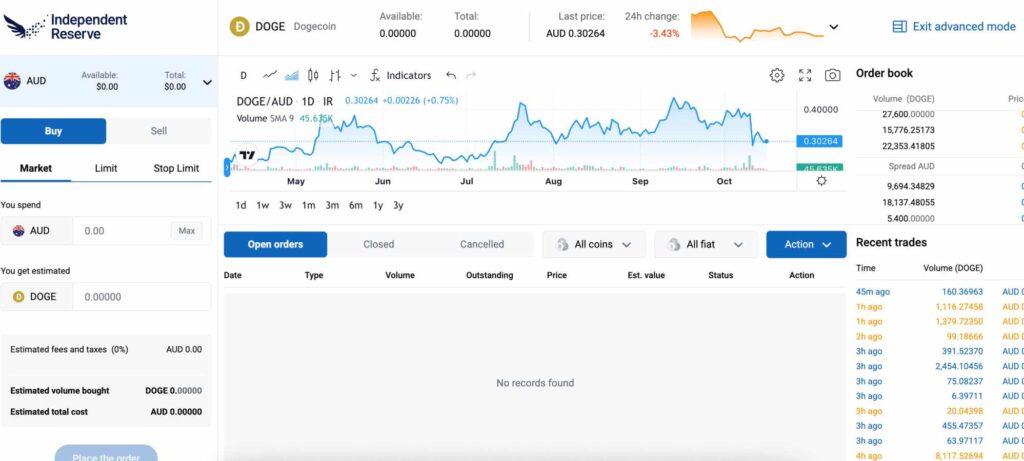
Most account holders tend to be casual investors who want to invest in cryptocurrencies hassle-free. Trades rely on the spot exchange and order book models, so positions are executed once other platform users meet price targets. Beginners place market orders for instant execution at the next best available price. More experienced traders set limit orders with custom prices, which allows them to choose the ideal entry point. The spot exchange also supports stop-loss and take-profit orders for risk management best practices.
Investors with higher risk tolerances trade digital assets via margin accounts. Independent Reserve allows leverage of up to 5x on select pairs. These are modest limits compared with other exchanges, so explore our guide on the best 100x crypto leverage platforms to access bigger multipliers. Retail traders from Australia and New Zealand are eligible for margin facilities, although they must pass a suitability test with an 80% score. Other nationalities must have a corporate account or an accredited status.
Clients with significant investment requirements (minimum $50,000) access the OTC service. The exchange’s dealing desk sources buys or sells cryptocurrencies at market-leading rates through Tier 1 liquidity providers.
Independent Reserve Supported Coins and Tokens
Independent Reserve lists 37 cryptocurrencies. Major assets include BTC, ETH, XRP, SOL, Cardano (ADA), and Litecoin (LTC), as well as top stablecoins Tether (USDT) and USDC (USDC).
The meme coin library covers the key market leaders, from Dogecoin (DOGE), Shiba Inu (SHIB), and Pepe (PEPE) to Bonk (BONK) and Pudgy Penguins (PENGU). Investors also find innovative projects from the decentralized finance (DeFi) niche, like Compound (COMP), Aave (AAVE), and Chainlink (LINK).
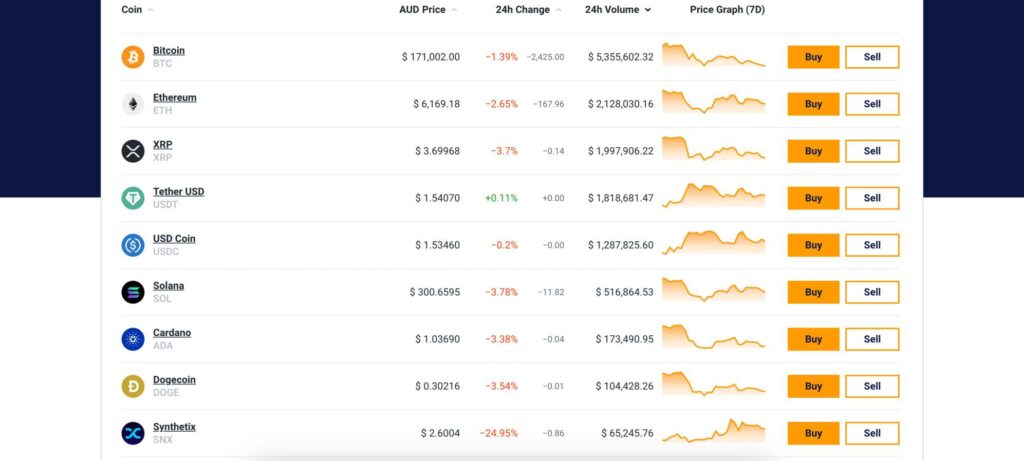
This wide range of markets helps users diversify their portfolios across large and mid-cap assets from the most popular Web 3.0 narratives. Since the platform eliminates minimum purchase requirements, even casual investors can build balanced portfolios on a budget.
In terms of pairs, the exchange lets users trade digital assets against multiple fiat currencies: AUD, NZD, SGD, and USD. Traders who use these local currencies invest without currency fees and FX fluctuations.
One drawback is the lack of crypto-cross pairs. A trader who wants to swap SOL for ETH must cash out to a fiat currency and then purchase the second asset through a separate position. Independent Reserve also falls short for new cryptocurrencies. As all listed markets are established coins or tokens, traders cannot access Web 3.0 startups with small valuations.
Independent Reserve Fees
To produce this Independent Reserve review, we analyzed all platform fees, including spot trading commissions, margin, and payments. We compared our findings with other leading exchanges to assess whether Independent Reserve offers competitive prices.
Trading Fees
Traders pay commissions whenever they buy and sell cryptocurrencies. The maximum spot trading fee is 0.5%, calculated based on the position size. Unlike many exchanges, market makers do not receive discounted fees for their liquidity provision. As such, limit and market orders incur the same pricing structure.
Independent Reserve allows traders to secure more competitive trading fees based on 30-day volumes. Trading more than $50,000 drops commissions to 0.48% and 0.46% on 30-day order volumes over $100,000. 0.02% is the lowest commission rate, although users must trade at least $200 million.
Compared with exchanges like OKX and Bybit, which offer entry-level spot commissions of 0.1%, Independent Reserve is slightly more expensive. Most users are willing to pay higher fees for a safe and regulated experience, especially first-time investors who prefer simplicity over complicated trading processes. In addition, Independent Reserve traders save money on fiat deposits and withdrawals, since most methods are fee-free.
Regarding margin trading, buy and sell orders incur the same commission structure as standard spot trading. The exchange applies 0.1% interest daily on open positions, which it calculates proportionately every 10 seconds. Traders who face liquidation pay 1% of the total loan amount.
Non-Trading Fees
As confirmed by other Independent Reserve reviews, one of the platform’s key strengths is its support for fiat payments.
Australian exchange customers deposit AUD fee-free via bank transfers. Singapore clients receive free deposits via FAST and PayNow, while U.S. and New Zealand users receive them via SWIFT. Charges apply to non-AUD deposits under $5,000, depending on the currency.
Australian traders may also deposit funds with local debit/credit cards and PayPal at a 1% fee, and 3.5% when they use international cards. All nationalities may deposit cryptocurrencies into their account without additional charge.
Withdrawing AUD via EFT is the only fee-free method. PayID payouts cost $1.50, while SWIFT withdrawals range from $1.50 to $29. Similar to most online exchanges, crypto withdrawal fees depend on the asset and network. ETH transfers via Ethereum, Base, and Arbitrum cost 0.005 ETH, 0.004 ETH, and 0.005 ETH, respectively. Users pay 0.0002 BTC to withdraw Bitcoin, and 0.001 SOL for Solana.
| Standard Trading Commission | 0.2% to 0.5% depending on 30-day volumes |
| Free Deposit Methods | AUD (local bank transfers), NZD (SWIFT), USD (SWIFT), SGD (FAST and PayNow) |
| Other Deposit Options | Debit/credit cards (1% to 3.5%), PayPal (1%), |
| Free Withdrawal Methods | AUD (EFT) |
| Other Withdrawal Options | PayID ($1.50), Non-AUD SWIFT ($1.50 to $29) |
| Crypto Deposits | Free |
| Crypto Withdrawals | Varies by asset |
Independent Reserve User Experience
While Independent Reserve offers greater functionality than its subsidiary exchange, Bitcoin.com.au, the user experience is equally as seamless. The exchange has standard onboarding requirements, where new customers register accounts and upload government-issued ID for KYC verification.
The payment process works similarly to traditional brokerages, since users deposit local currency into their accounts. They then use those funds to buy and sell cryptocurrencies. As Independent Reserve is a regulated platform, it directly handles deposits, unlike many exchanges, which rely on third-party gateways. This makes the user experience even more beginner-friendly.
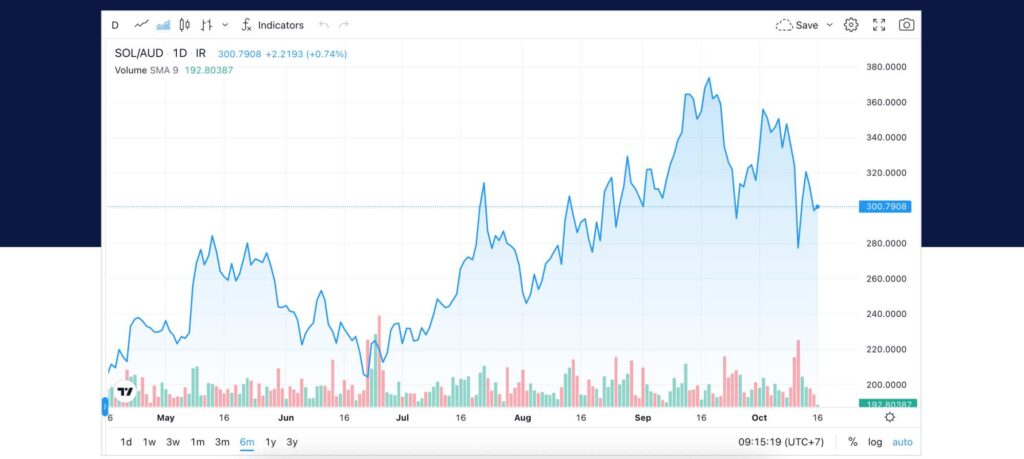
With just 37 supported assets, finding suitable markets is simple. Users scroll through the list of available cryptocurrencies and click an asset to explore additional data. The desktop platform provides intermediate-level charts with analysis features like drawing tools and technical indicators, as well as transparent order books and market depth. Users may change real-time pricing data between AUD, NZD, USD, and SGD.
Although these charting features appeal to experienced traders, the order process remains suitable for first-time investors. Users input the currency and purchase amount, and when selecting a market order, the exchange processes the investment instantly. The same process applies to cashing out cryptocurrencies, but in reverse.
Mobile App
Independent Reserve offers an excellent mobile trading experience. Its proprietary Independent Reserve app for iOS and Android supports the same cryptocurrencies and trading products as the desktop website, although charting tools are optimized for smartphone screens. Mobile users choose between light and dark mode, and place buy and sell orders while on the move.
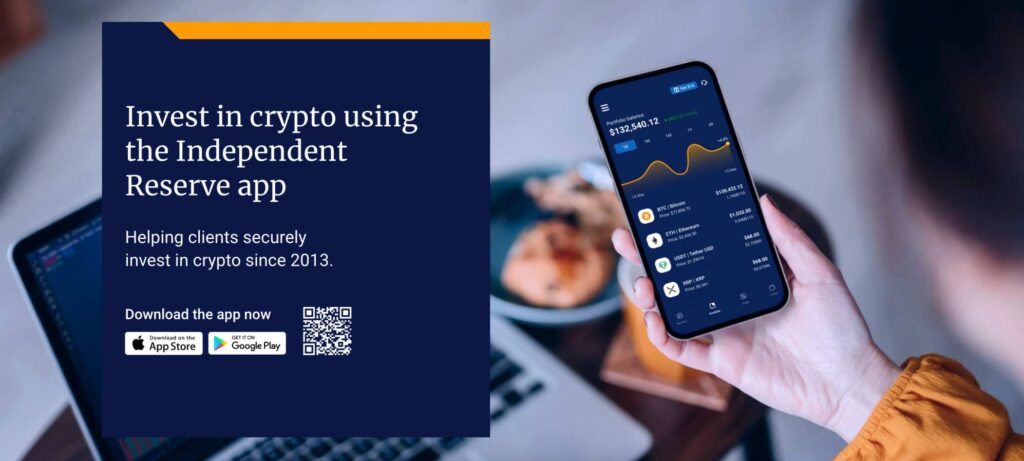
Our research shows that many account holders use the mobile app to track their crypto portfolios. It shows real-time prices for existing investments, as well as other supported coins and tokens. The app also shows performance in local currency, which helps investors evaluate their assets and, if needed, rebalance the portfolio.
Independent Reserve: Platform Features
Our Independent Reserve review tested all platform features. Read on for our findings.
Auto Trader
The auto trader feature helps investors buy and sell cryptocurrencies through predetermined strategies.
One option is the AutoSchedule system, which resembles dollar-cost averaging. Account holders choose their favorite cryptocurrencies, investment size, and purchase frequencies. The exchange buys those assets automatically every day, week, fortnight, or month, depending on the selected timeframe.
The AutoBuy option works similarly, although users set position sizes as a percentage of their account balance.
The standout setting is AutoBasket, which lets users invest in a broad range of cryptocurrencies through single trades. The feature uses a weighted method based on market capitalization and auto-adjusts weekly according to price volatility. Many investors use the AutoBasket and AutoSchedule tools simultaneously to mitigate market risks.
Margin Trading
Eligible exchange users can trade cryptocurrencies with leverage. Margin trading accounts are available to Australian retail clients only. Other nationalities must meet separate requirements, such as being an accredited investor.
Leverage multipliers range from 2x to 5x, and trades execute on the primary spot exchange. This dynamic allows traders to buy and sell real cryptocurrencies instead of using derivatives like perpetual futures.
Traders face liquidation risks if the position value declines below the minimum margin maintenance. Independent Reserve sends margin calls via email and platform notifications when traders approach the liquidation point.
Multi-User Access
Account holders may allow approved individuals or entities access to certain roles.
Permissions include viewing portfolio balances and transaction history, and full trading capabilities. Administrator roles allow full account functionality except margin trading and credit card/PayPal deposits.
API Access
The exchange supports application programming interface (API) integration, which allows users to access order books from an external platform.
The API feature suits experienced traders with advanced strategies, as well as those who rely on automated systems. API calls support public and private endpoints, and programming languages include Java, Rust, and PHP.
Does Independent Reserve Have a Wallet?
The Independent Reserve website and mobile app come with an integrated wallet. As the wallet offers custodial storage, users avoid managing seed phrases or private keys. The exchange is responsible for safeguarding those credentials, a feature that typically suits beginners.
However, custodial wallets provide limited control, as Independent Reserve must approve outgoing transfer requests. They cannot connect with decentralized applications (dApps) either, such as DeFi staking pools or decentralized exchanges (DEXs) like Raydium. This setup introduces counterparty risks, so investors who seek actual asset ownership may consider withdrawing their assets to a non-custodial provider like Best Wallet or Trust Wallet.
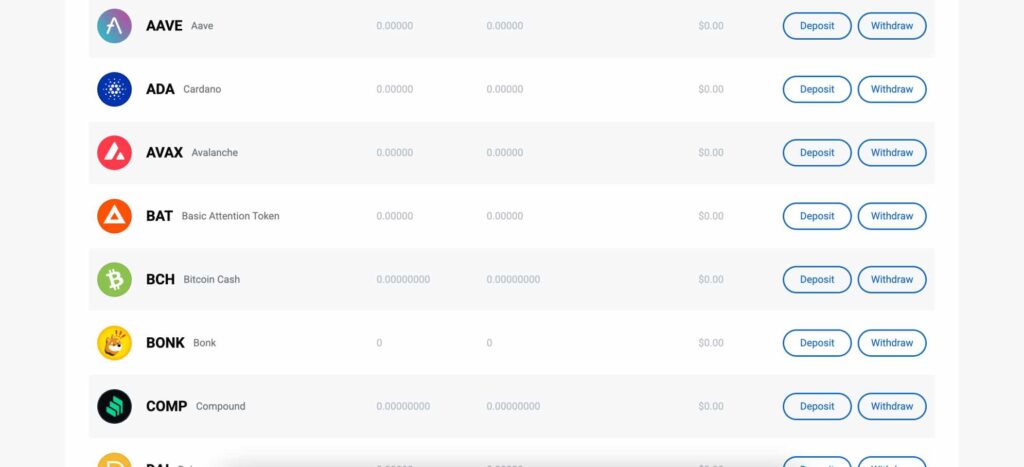
Independent Reserve’s wallet allows incoming deposits across all supported cryptocurrencies. It generates a deposit address, and since it is unique to the account, users track payments through transaction IDs. The wallet cannot receive non-supported exchange assets.
Despite lacking self-custody ownership, the wallet connects directly to the main exchange balance, allowing it to store AUD and other fiat currencies. This feature also allows investors to buy and sell crypto instantly without leaving the wallet interface.
Independent Reserve: Payments
As a licensed exchange, Independent Reserve directly handles fiat payments. It supports Australian dollar withdrawals along with NZD, SGD, and USD. The chosen currency determines available deposit and withdrawal methods.
Most users make domestic bank transfers, which have no minimums or fees. Other payment methods include PayPal, local and international debit/credit cards (Visa and MasterCard only), PayID, and SWIFT.
The exchange supports fewer withdrawal options. Depending on the currency, payout networks include EFT, PayID, and SWIFT. As such, those who deposit with debit/credit cards or e-wallets must withdraw via an alternative method.
When using the custodial wallet, users may deposit and withdraw cryptocurrencies. No minimums or maximums apply.
We outline charges for each method in the “non-trading fee” section of this Independent Reserve review.
Is Independent Reserve Safe and Legit?
Although Independent Reserve charges slightly higher commissions than the market average, its safety framework aligns with Tier 1 exchanges like Coinbase and Kraken.
The MAS, the central bank of Singapore, authorizes and regulates the exchange. Australia’s financial intelligence unit, AUSTRAC, also approves Independent Reserve. These regulatory watchdogs ensure consumer safety, segregated client funds, and legitimate market conditions.
Independent Reserve also has a robust security structure that protects users against cybersecurity risks. It stores the majority of platform cryptocurrencies in cold storage systems. These wallets use multi-signature protections so that no single person can approve transfers.
For added security, we strongly recommend activating two-factor authentication after registering. Through the Google Authenticator app, exchange users enter a verification code to access their account and request withdrawals. We also like the whitelisting feature, which requires email confirmation if users log in from a new browser.
Our research confirms that hackers have never breached Independent Reserve’s security systems and we consider it a trusted crypto exchange.
This impeccable safety record dates back to 2013. Third-party audits verify that Independent Reserve’s balance sheet has no debt, and it maintains 1:1 reserves against client deposits. However, the exchange does not allow the public to view its proof of reserves, which lacks transparency.
Customer Service
Independent Reserve offers 24/7 customer service through online support tickets. No live chat is available, and users must log in to their accounts to access the ticket system. Most replies arrive within 24 hours.
The exchange is active on Reddit, Facebook, and other social networks, yet account holders must avoid sharing sensitive information. Scammers target exchange-related queries through phishing tactics, so ensure you communicate with an official support member.
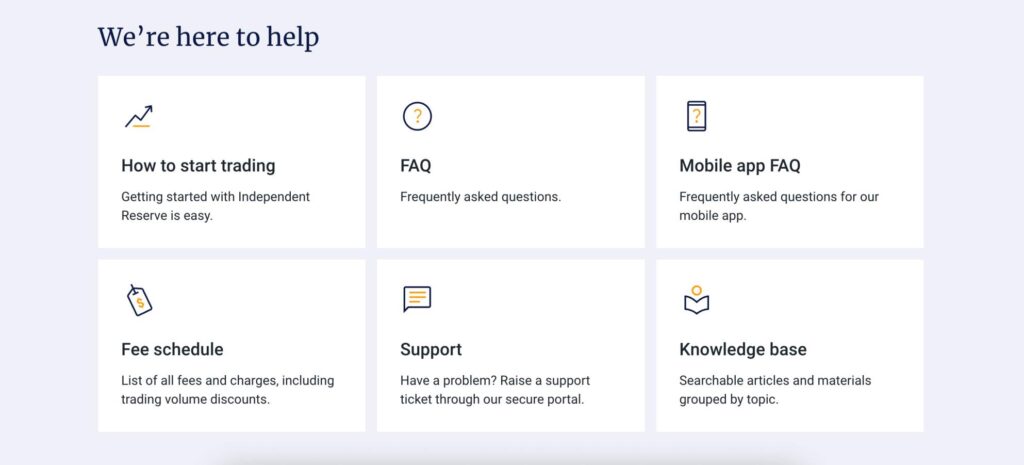
The help center offers guides for many frequently asked questions, including KYC onboarding, payment times, and making investments.
Account Types
The crypto platform offers various account types for different investment requirements. Most traders open personal accounts, which allow retail clients to buy and sell cryptocurrencies with personal funds.
Other account types offer bespoke services for:
- Trusts
- Family Offices
- High-net-worth individuals
- Institutions
- Asset managers
Specialist accounts typically require high account minimums and extensive KYC requirements, although they often receive more competitive fees and premium support.
Get Started With Independent Reserve: Step-by-Step Guide
Follow these steps to start trading on the Independent Reserve exchange.
Step 1: Join Independent Reserve
Go to the Independent Reserve website to open an account. Choose a username and password, and input an email address. Confirm the email address by entering the verification code.
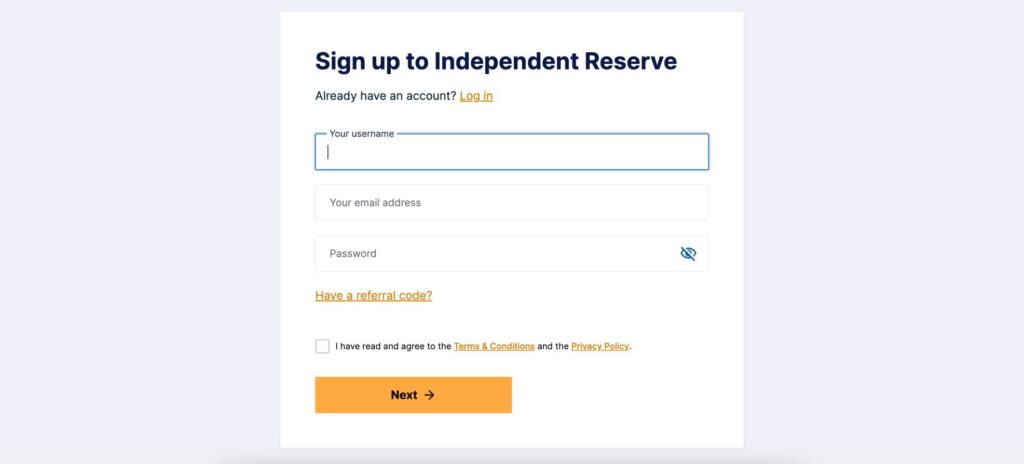
Now enter the required personal information, including your name, nationality, and date of birth.
Note: Joining Independent Reserve through the link below provides first-time customers with $20 worth of free Bitcoin.
Step 2: Verify Your Identity
Complete the quick KYC verification to unlock full account access. The exchange requires a government-issued ID, and accepted documents include a driver’s license and a passport.
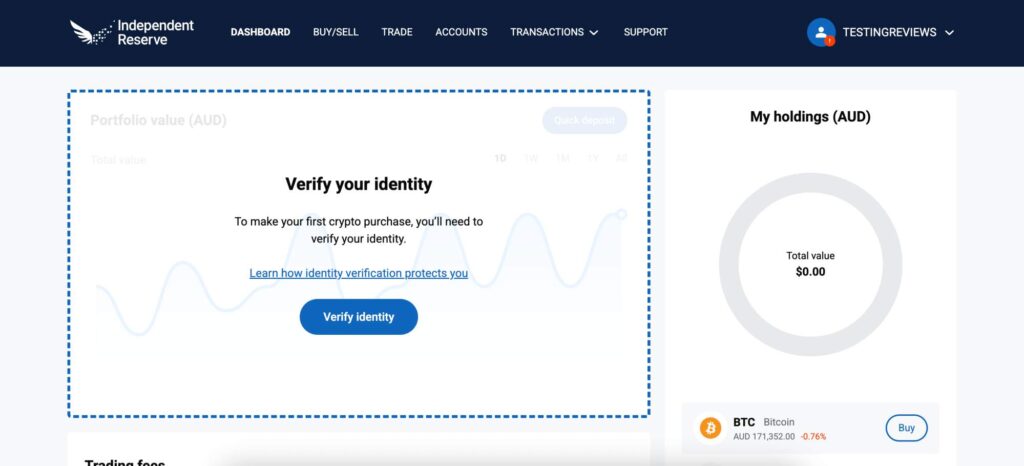
Upload a recently issued proof of address to confirm your residency. Independent Reserve accepts utility bills, bank statements, and other common documents.
Step 3: Secure Your Trading Account
Select the “Security” button to secure the account.
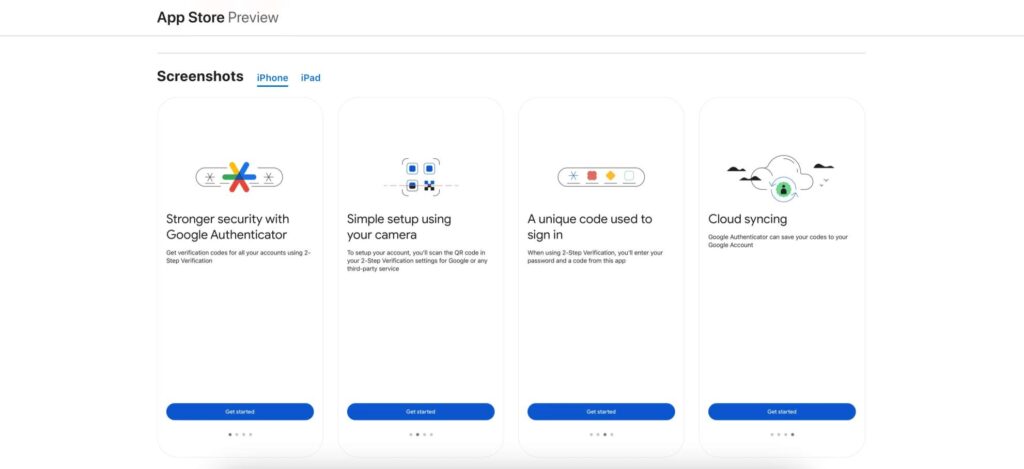
Two-factor authentication adds an extra layer of security, so download the Google Authenticator app to activate the safety feature. The app generates six-digit codes, which you must provide when logging in.
Step 4: Deposit Funds
Click the “Deposit” button next to the fiat currency you wish to deposit. Select a payment method, such as local bank transfers (free), debit/credit cards, or PayPal.
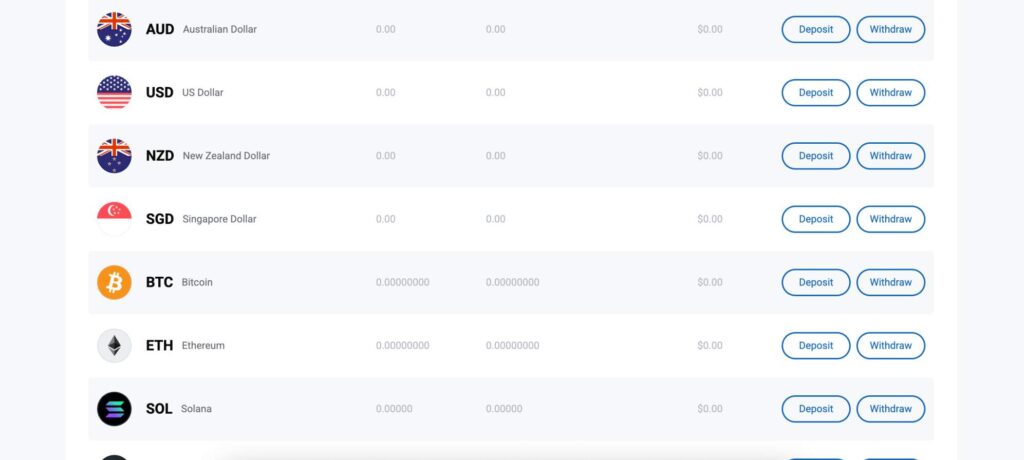
The system processes most deposit types instantly.
Step 5: Buy Crypto
Select “Buy/Sell” and explore the exchange’s available cryptocurrencies. Then click “Buy” and enter the purchase amount.
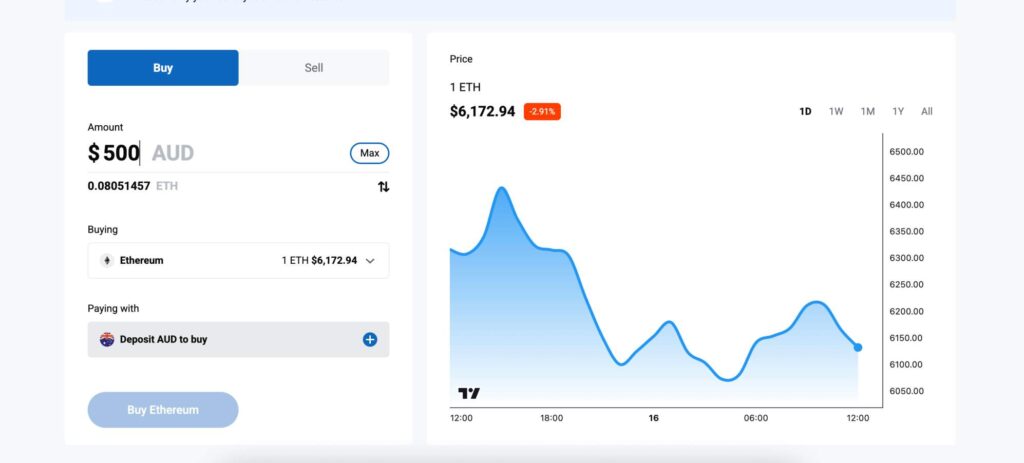
Confirm the order, and wait a few seconds for the coins to arrive in the account wallet.
Step 6: Sell or Withdraw Cryptocurrencies
If you want to sell cryptocurrencies on Independent Reserve, click the “Sell” button next to the asset.
Input the cashout amount (or click “Max” to sell the entire balance), and confirm. The exchange adds the fiat currency proceeds to the account.
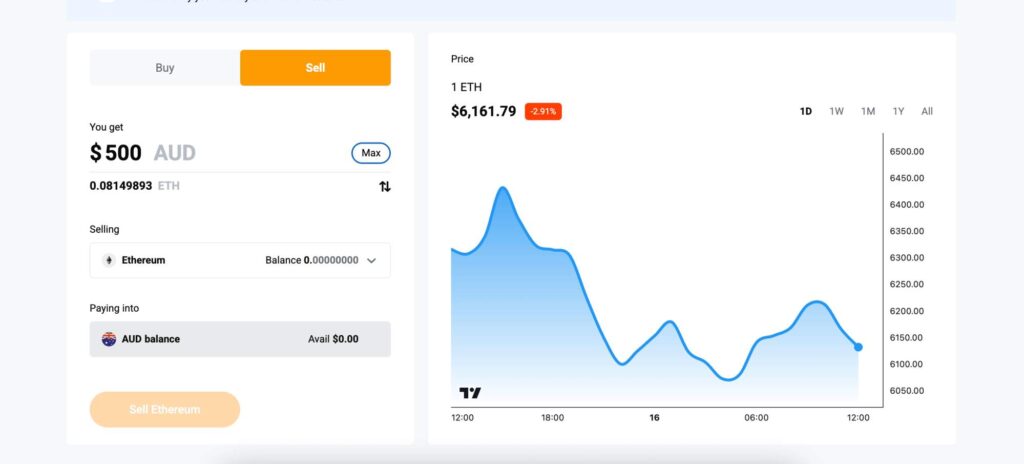
Want to withdraw your assets to a private, non-custodial wallet? Click “Withdraw” in the account wallet and paste the receiving wallet address. Confirm the amount and network, and confirm.
Independent Reserve Review Australia: Research Methodology
Our methodology evaluated exchange data directly from the Independent Reserve website and mobile app. We examined the terms and conditions, fee schedule, available trading products and pairs, account types, and payment processing times.
By opening an account and depositing funds, we tested the Independent Reserve exchange through hands-on experience. Research tasks included navigating the charting platform, setting up and placing orders, reviewing execution speeds, and timing account withdrawals. We performed these tasks on desktop and mobile devices to ensure our Independent Reserve review offers accurate findings.
To conclude, we compared the collected data with other online exchanges like Bitcoin.com.au, CoinSpot, Binance, Coinbase, Kraken, and OKX. Readers may make an informed choice when deciding whether Independent Reserve fits their crypto investment requirements.
Independent Reserve: Conclusion
Despite charging slightly higher commissions than the market average, we rate Independent Reserve as one of the best all-round crypto exchanges. It provides a licensed and safe place to buy and sell digital assets, and seamless deposit methods include bank transfers, PayPal, and debit/credit cards.
The exchange ensures security through cold wallet systems, two-factor authentication, and client fund segregation. We also appreciate that users switch between the desktop website and mobile app for a flexible investment experience. Overall, we rank Independent Reserve as one of the best crypto exchanges in Australia, and remind you that, for a limited time, new customers receive $20 in free Bitcoin.
FAQs
Is Independent Reserve legit in Australia?
Is Independent Reserve an Australian company?
Is Independent Reserve better than CoinSpot?
How secure is Independent Reserve?
References
- Independent Reserve Terms & Conditions (Independent Reserve)
- Independent Reserve SG PTE. LTD License Details (Monetary Authority of Singapore)
- Digital currency exchange provider registration actions (AUSTRAC)
- Crypto assets information sheet (Australian Securities and Investments Commission)
- Wholesale vs Retail Clients (Holley Nethercote Compliance)