


Robinhood CEO Predicts Tokenization Will Reshape Finance
We may earn commissions from affiliate links or include sponsored content, clearly labeled as such. These partnerships do not influence our editorial independence or the accuracy of our reporting. By continuing to use the site you agree to our terms and conditions and privacy policy.

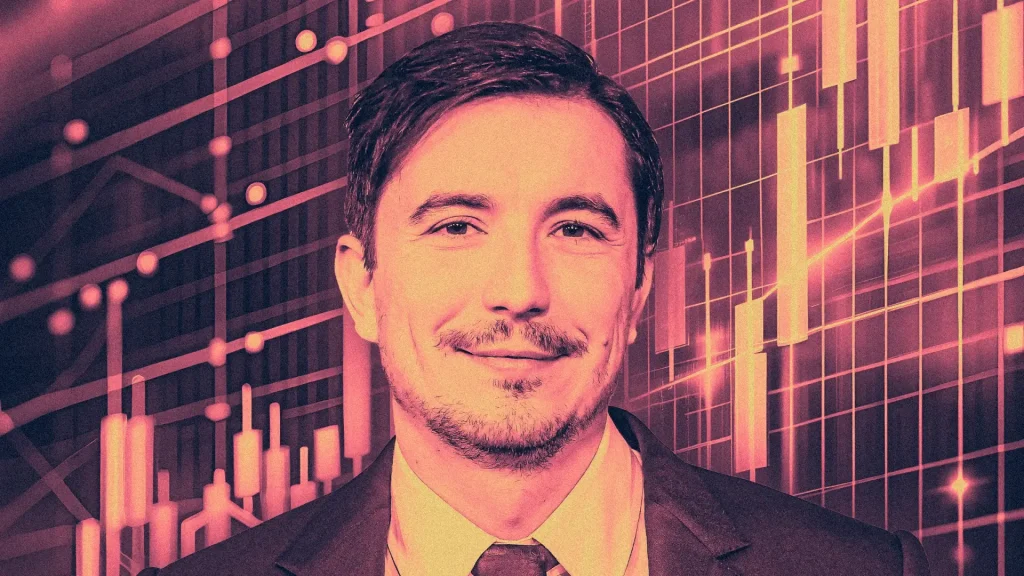
Robinhood CEO Vlad Tenev said global financial markets could adopt tokenization frameworks within the next five years, speaking at the Token2049 conference in Singapore.
He described tokenization as “a freight train” that cannot be stopped, predicting it could ultimately transform the entire financial system.
Tenev suggested worldwide adoption may take a decade or longer, with the United States trailing other regions due to its established infrastructure. He compared the U.S. system to Japan’s bullet trains, noting that when existing “medium-speed trains” already function well, there is less urgency to build faster ones. In the same way, he argued, America’s financial system works adequately even without tokenized stocks.
Stablecoins, according to Tenev, represent the most basic step toward tokenization. Dollar-backed stablecoins are gaining ground domestically and internationally, and he believes the same model will extend to tokenized stocks, real estate, and other asset classes. He predicted tokenization could eventually become the standard method for foreign investors seeking U.S. stock exposure.
He also forecast a convergence of crypto and traditional finance. After years of developing in separate spheres, he said the two systems will merge because crypto technology offers efficiency advantages that will eventually make the distinction disappear.
Tenev further highlighted the rise of prediction markets, which now go beyond elections into areas such as sports, culture, and artificial intelligence. He noted strong demand for markets in American football and college football.

While critics liken prediction contracts to gambling, he framed them as a hybrid of betting, trading, and media. Many users, he said, turn to prediction markets not only to speculate but also to gather information.
Despite skepticism, Tenev argued that prediction markets and tokenization represent structural innovations rather than passing trends, and he positioned Robinhood as a platform that will remain central as the financial system evolves.


 Commentaries









Fill in necessary fields and publish