






Bitcoin vs. USD: What’s the Real Difference?
We may earn commissions from affiliate links or include sponsored content, clearly labeled as such. These partnerships do not influence our editorial independence or the accuracy of our reporting. By continuing to use the site you agree to our terms and conditions and privacy policy.

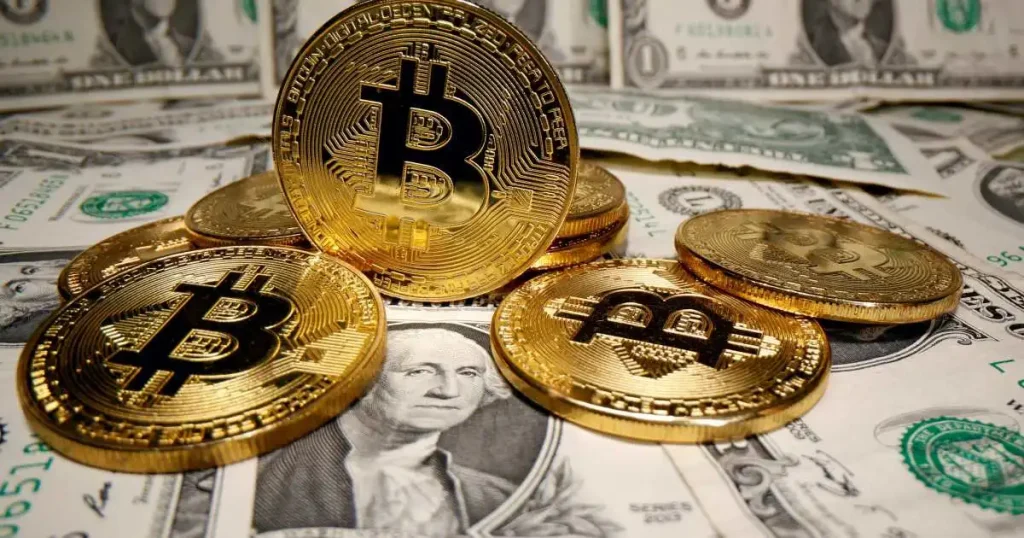
The U.S. dollar has long been the backbone of global finance, but in the era of digital assets, Bitcoin is emerging as its challenger.
Both serve as mediums of exchange and stores of value, yet their fundamental structures could not be more different. Understanding these contrasts is key for anyone exploring the future of money.
Supply: Unlimited vs. Fixed
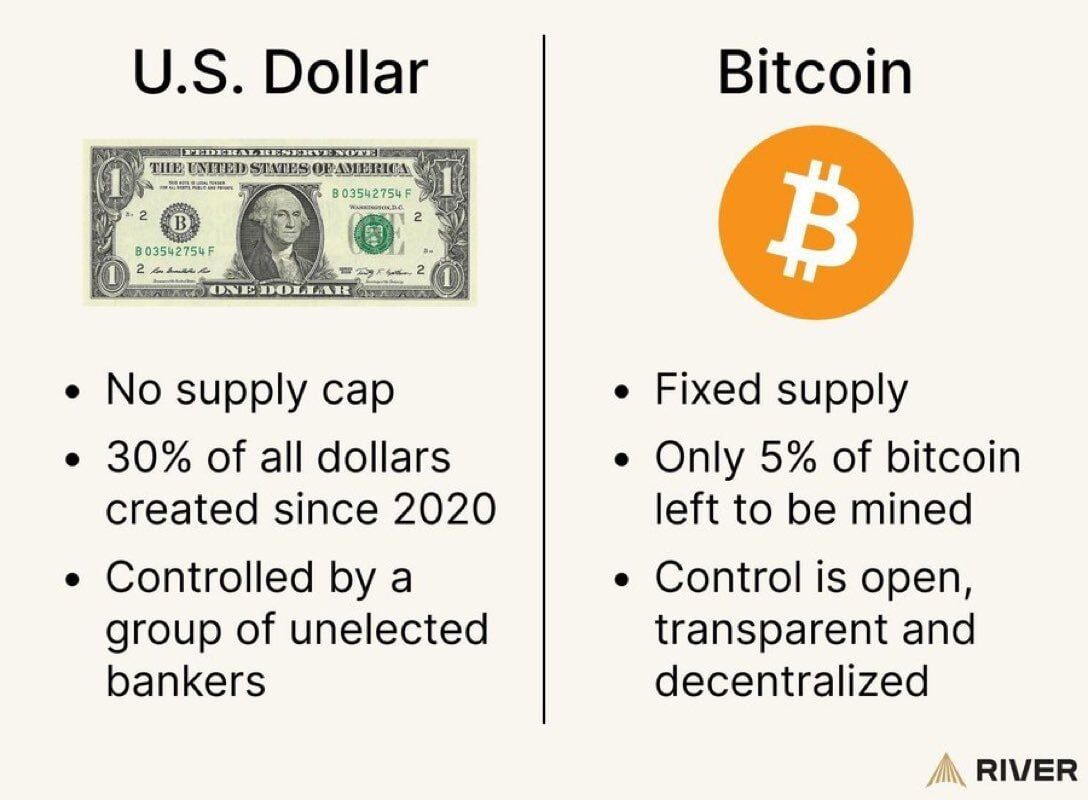
The U.S. dollar has no supply cap, meaning the Federal Reserve can issue new dollars at will. In fact, nearly 30% of all dollars in circulation were created since 2020, fueling concerns about inflation and currency debasement. By contrast, Bitcoin is governed by code: it has a fixed supply of 21 million coins, with less than 5% left to be mined. This scarcity gives Bitcoin qualities more similar to gold than fiat money.
Control: Centralized vs. Decentralized
Dollars are managed by the U.S. Federal Reserve, a body of unelected bankers that controls monetary policy. Decisions such as interest rate changes or stimulus injections can dramatically impact the dollar’s purchasing power. Bitcoin, on the other hand, is decentralized and transparent. Its issuance, mining, and transaction rules are open-source, with no single authority able to manipulate its supply or rules.
Transparency and Trust
The U.S. dollar relies on centralized trust – confidence in governments and banks. Bitcoin relies on mathematics and blockchain transparency, where every transaction is verifiable on a public ledger. This design removes the need for intermediaries and shifts trust to technology rather than institutions.
Read More:
The Bigger Picture
The dollar dominates today’s economy, but Bitcoin offers an alternative financial model built on scarcity, decentralization, and transparency. For investors, savers, and policymakers, the debate isn’t just about currency – it’s about whether the future of money should remain under central control or move toward open, digital networks.


 Commentaries








Fill in necessary fields and publish