


Ledger Breach Underscores Persistent Security Gaps Beyond the Blockchain
We may earn commissions from affiliate links or include sponsored content, clearly labeled as such. These partnerships do not influence our editorial independence or the accuracy of our reporting. By continuing to use the site you agree to our terms and conditions and privacy policy.

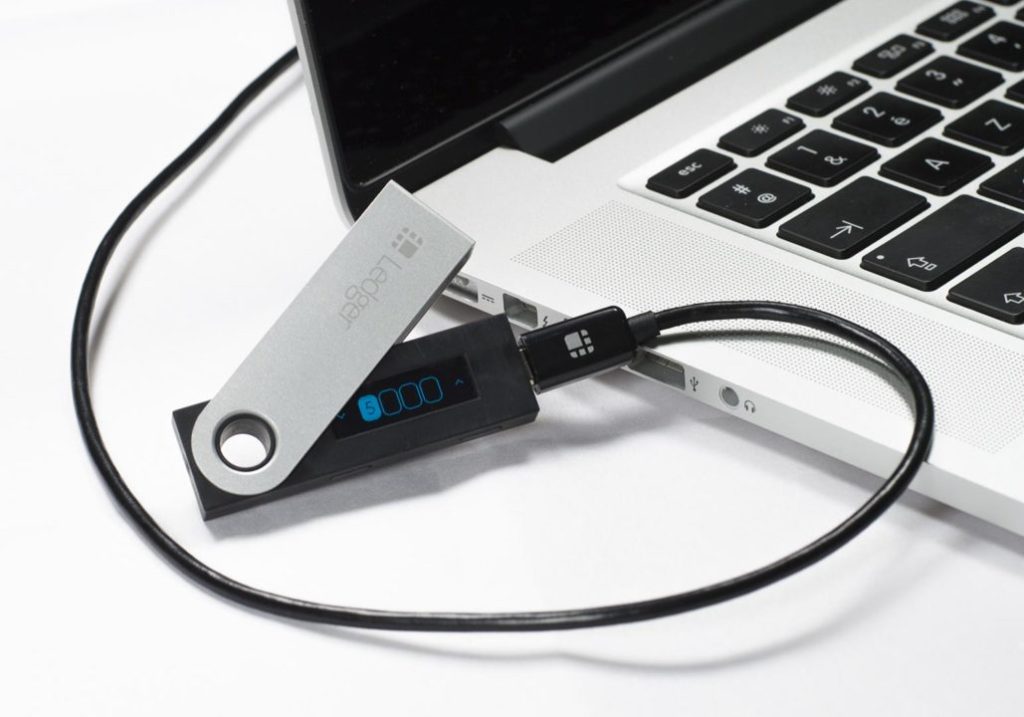
A fresh security incident linked to hardware wallet maker Ledger is drawing attention to a familiar weak point in the crypto industry: third-party service providers rather than the wallets themselves.
Blockchain investigator ZachXBT disclosed that the latest exposure stemmed from Ledger’s external payment partner, Global-e, resulting in unauthorized access to a limited set of customer details. While no digital assets or cryptographic credentials were compromised, the incident adds to ongoing concerns about how off-chain data is handled around self-custody products.
Third-party systems, not wallets, were compromised
The issue was traced back to Global-e’s internal systems, where irregular activity was detected in part of its network. Once identified, the company moved to isolate the affected environment and launched an internal investigation with the help of independent cybersecurity specialists.
As part of the response, impacted customers were notified that certain personal information – such as names and contact details- may have been accessed without authorization. Both companies stressed that the breach did not involve Ledger devices, wallet software, recovery phrases, or blockchain-related infrastructure.
This distinction is important. Ledger’s core security model remains intact, but the incident highlights how external vendors handling payments, logistics, or customer communications can still become entry points for attackers.
Why personal data leaks still pose serious risk
Even when private keys remain secure, leaked personal information can create real dangers for crypto users. Names, email addresses, and phone numbers are frequently used to craft convincing phishing campaigns, impersonation attempts, or fake support requests designed to trick users into handing over recovery phrases.
Security experts have repeatedly warned that attackers often wait weeks or months after such breaches before launching targeted scams, increasing the likelihood that victims lower their guard over time.
For users, the safest approach remains skepticism. Any unexpected message claiming to be from Ledger, Global-e, or related services should be treated cautiously, especially if it urges immediate action, software updates, or account verification.
A recurring lesson for the crypto industry
Global-e has stated that the breach has been contained and that further analysis is ongoing, with no signs so far of wider system intrusion. Still, the episode reinforces a broader industry challenge: self-custody tools may be highly secure on-chain, but the surrounding ecosystem of payments, support, and customer data remains exposed.
As crypto adoption grows, incidents like this underscore that security does not stop at private keys. For users and companies alike, protecting off-chain data is becoming just as critical as safeguarding the wallets themselves.
Looking for more ideas? Read our full guide to the best meme coins to invest in this year.


 Commentaries








Fill in necessary fields and publish