


Thailand to Launch Crypto-to-Baht Payment Scheme for Foreign Tourists
We may earn commissions from affiliate links or include sponsored content, clearly labeled as such. These partnerships do not influence our editorial independence or the accuracy of our reporting. By continuing to use the site you agree to our terms and conditions and privacy policy.

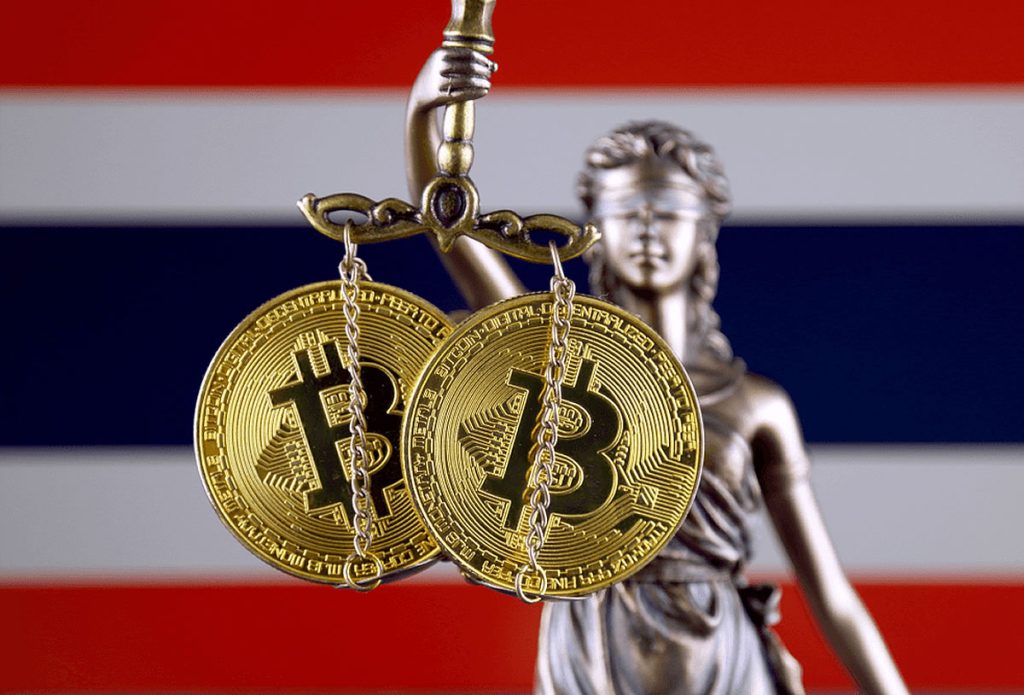
Thailand is set to introduce a new initiative allowing foreign visitors to convert cryptocurrency into Thai baht for spending, in a bid to revive its slowing tourism sector.
The scheme, named “TouristDigiPay,” will officially launch on Monday, August 18, with full details to be announced at a press conference led by Deputy Prime Minister and Finance Minister Pichai Chunhavajira, joined by senior officials from the Finance Ministry, SEC, AMLO, and the Ministry of Tourism and Sports.
Crypto-backed revival for tourism
Tourism in Thailand has faced a slowdown this year, particularly from declining visitor numbers from China. To counter this, the government has turned to financial innovation, with the SEC recently completing a public consultation on digital assets for economic and tourism growth. The TouristDigiPay scheme is the first major policy move to come out of that review.
Under the programme, foreign tourists will be able to convert digital assets into baht and make payments via regulated platforms. However, direct use of cryptocurrencies as payment remains prohibited. Instead, the scheme will operate within a regulatory sandbox to ensure oversight, security, and risk management.
How TouristDigiPay will work
To use the service, tourists must open an account with a digital asset business licensed by the SEC and an e-money provider regulated by the Bank of Thailand (BOT). The exchange process will enable baht-based QR code payments, a system widely adopted by Thai merchants.
Eligibility will be limited to foreign visitors temporarily staying in Thailand, who must undergo strict KYC and CDD checks in line with AMLO’s requirements.
The BOT has also been developing a “Tourist Wallet” with e-money providers. Initially, this wallet will allow digital assets to be exchanged into baht for QR payments, but future plans include linking it to foreign debit and credit cards.

Spending caps and restrictions
To reduce risks of financial crime, the scheme includes transaction limits. Tourists spending through merchant card terminals will be capped at 500,000 baht per month, while payments to small, general merchants will be limited to 50,000 baht per month. Transactions will also be barred at businesses identified as high-risk for money laundering.
A strategic step for Thailand
Officials believe the scheme could strengthen Thailand’s reputation as a forward-looking tourist hub. By embracing digital assets while maintaining strict regulatory guardrails, the government hopes to stimulate spending, attract crypto-savvy travelers, and offset declines from traditional tourism markets.
If successful, TouristDigiPay could set a precedent for wider integration of cryptocurrency in Thailand’s economy, balancing innovation with financial security.


 Commentaries










Fill in necessary fields and publish